
Ashley Smart in Undark Magazine:
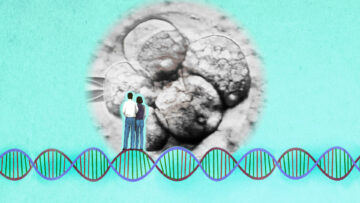
Last June, at a conference and retreat center not far from downtown Berkeley, California, around 100 people gathered to mull a new, techno-centric future of human reproduction. There was the physics professor moonlighting as a biotech company executive. There was the secret author of a widely read newsletter with a reputation for controversial takes on race and intelligence. There was the fertility specialist with a practice in nearby San Ramon. There was, by way of video feed, the Harvard professor whose foundational work in genetics had arguably helped lay the groundwork for a meeting like this to happen in the first place.
And there was an unmistakable interest in genetically modifying human embryos — to spare them from disease, yes, but also to engineer smarter, stronger, more resilient human beings.
More here.
Enjoying the content on 3QD? Help keep us going by donating now.