
From Nature:
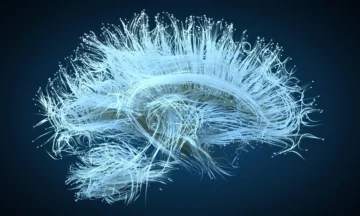 At the cellular level, the brain relies on repair mechanisms to remain healthy. Key processes — autophagy and mitophagy — help protect against neurodegeneration. Autophagy is the process by which cells break down and recycle damaged proteins and organelles. As we age, autophagy slows down, and harmful proteins such as amyloid-beta and tau can accumulate in the brain, contributing to the development of Alzheimer’s disease.
Mitophagy refers to a specific kind of autophagy, when cells remove damaged mitochondria — neurons need healthy mitochondria for energy, and problems with mitophagy can lead to physiological stress and poor cellular function. These processes present potential targets for treating Alzheimer’s disease. New findings reported during a conference keynote address revealed that one form of autophagy — chaperone-mediated autophagy (CMA) — might be the basis for a future therapy. How CMA operates varies depending on the time of day, the organ it is occurring in and the gender of the individual, according to Ana Maria Cuervo, co-director of the Institute for Aging Research at the Albert Einstein College of Medicine in New York City, United States1.
In 2021, Cuervo and her team demonstrated that pharmacologically boosting CMA resulted in improvements in both memory-related performance and brain pathology in mouse models of Alzheimer’s disease2.
More here.
Enjoying the content on 3QD? Help keep us going by donating now.