
Shelly Fan in Singularity Hub:
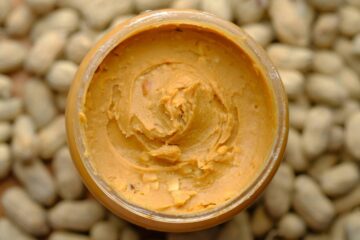 ‘Tis the season for overindulgence. But for people with allergies, holiday feasting can be strewn with landmines.
Over three million people worldwide tiptoe around a food allergy. Even more experience watery eyes, runny noses, and uncontrollable sneezing from dust, pollen, or cuddling with a fluffy pet. Over-the-counter medications can control symptoms. But in some people, allergic responses turn deadly.
In anaphylaxis, an overactive immune system releases a flood of inflammatory chemicals that closes up the throat. This chemical storm stresses out the heart and blood vessels and limits oxygen to the brain and other organs. Early diagnosis, especially of shellfish or nut allergies, helps people avoid these foods. And in an emergency, EpiPens loaded with epinephrine can relax airways and save lives. But the pens must be carried at all times, and patients—especially young children—struggle with this.
An alternative is to train the immune system to neutralize its over-zealous response. This month, a team from the University of Toulouse in France presented a long-lasting treatment that fights off anaphylactic shock in mice. Using a vaccine, they rewired part of the immune system to battle Immunoglobulin E (IgE), a protein that’s involved in severe allergic reactions. A single injection into mice launched a tsunami of antibodies against IgE, and levels of those antibodies remained high for at least 12 months—which is over half of a mouse’s life. Despite triggering an immune civil war, the mice’s defenses were still able to fight a parasitic infection. The vaccine is, in theory, a blanket therapy for most food allergies, from peanuts to shellfish.
More here.
Enjoying the content on 3QD? Help keep us going by donating now.