
Randy Stein and Abraham Rutchick in The Conversation:
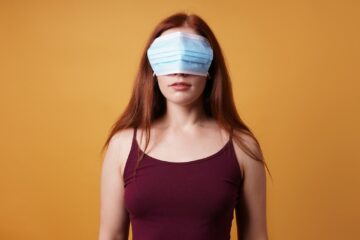 Our new research, published in the Journal of Social Psychology, suggests that some people consider it a “win” to lean in to known falsehoods.
We are social psychologists who study political psychology and how people reason about reality. During the pandemic, we surveyed 5,535 people across eight countries to investigate why people believed COVID-19 misinformation, like false claims that 5G networks cause the virus.
The strongest predictor of whether someone believed in COVID-19-related misinformation and risks related to the vaccine was whether they viewed COVID-19 prevention efforts in terms of symbolic strength and weakness. In other words, this group focused on whether an action would make them appear to fend off or “give in” to untoward influence.
This factor outweighed how people felt about COVID-19 in general, their thinking style and even their political beliefs.
More here.
Enjoying the content on 3QD? Help keep us going by donating now.