
Harmony Holiday at the Paris Review:
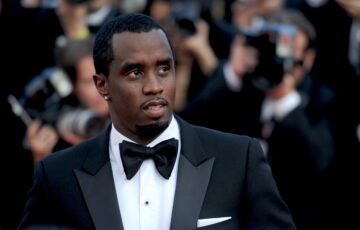 Prisons are American tourist attractions, and criminals who become fugitives or inmates our outlaw heroes—Al Capone, Alcatraz, Charles Manson, Sing Sing, Angola, Luigi Mangione, O. J. Simpson, Diddy, né Sean Combs. A collective underdog fetish means that the image of a civilian outwitting, outrunning, or confronting “the man” is enough to negate his trespasses. Maybe achieving the apotheosis of success in the United States requires becoming a convict, being threatened with or facing real incarceration and exile, doing time, paying dues, and making a grand comeback. At that finale you can sell that story to restore your fortunes, dignity, and maverick glory. Combs is the latest public figure to go from celebrated to disgraced to tentatively redeemed in some eyes by a show trial and the masculine compulsion to cheer when men get away with terrorizing women. The rapper Jay Electronica stood outside of the courtroom with his two Great Danes on the day the verdict was delivered, and announced, “I’m just here supporting my brother.” He looked half-ashamed, half-deviant about it, like he was both courting and afraid of backlash. Others call Diddy’s comeuppance a legal lynching, insinuating he’s a survivor of a because-he’s-black character assassination, since other powerful, abusive men have yet to be held accountable. It’s a truly American malfunction, this belief that the once oppressed should have the freedom to become as evil and ruthlessly decadent as their oppressors. This is what is sold to the public as prestige, and imitations of it exist at every stratum. With this in mind, Diddy’s story could be construed as a bootstraps tale—from Harlem to Howard to Hollywood endings. His recent downward spiral might be just another buoy, one that will help him ascend anew.
more here.
Enjoying the content on 3QD? Help keep us going by donating now.