
Laura Sanders in ScienceNews:
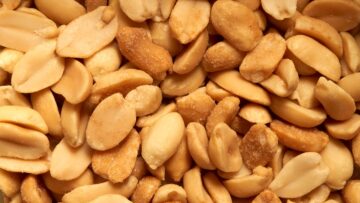 Severe allergic reactions can be swift and deadly. Two new studies of mice, published August 7 in Science, reveal a key step in this terrifying cascade. What’s more, these findings hint at a drug to prevent it. Anaphylaxis is a life-threatening allergic reaction commonly triggered by insect stings, medications and foods such as peanuts or eggs. After exposure to the allergen, a person’s immune system can overreact, leading to swelling, trouble breathing and dangerously low blood pressure.
Once underway, these extreme reactions can be stopped with epinephrine, administered either as an injection or, as of 2024, a nasal spray. This hormone helps open airways and shrink blood vessels, among other actions. But it doesn’t always work. “Epinephrine only treats anaphylaxis once it has already occurred,” says immunologist Tamara Haque of Indiana University School of Medicine in Indianapolis. “We need treatments to prevent this severe reaction before it starts.” By studying mice that develop signs of anaphylaxis after repeated exposure to food allergens, the new studies identified a key signal in the gut that kicks off anaphylaxis — molecules known as leukotrienes.
More here.
Enjoying the content on 3QD? Help keep us going by donating now.