
Sahana Sitaraman in The Scientist:
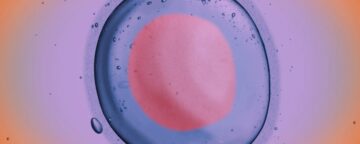 A human female is born with all the egg cells she will ever have. The possibility for the development of new oocytes is zero. Given this constraint, it is crucial that these gametes remain healthy and viable for decades until they are needed to form an embryo. Irrespective of the ‘age’ of the fertilized oocyte, the resulting embryo has the characteristics of a freshly born cell, indicating the existence of mechanisms that counteract accrued cellular damage and keep the egg fresh. What are these processes that drive the prolonged life of human egg cells?
Elvan Böke, an oocyte biologist at the Centre for Genomic Regulation, studies exactly that. A healthy cell boasts vigilant scanning for and removal of misfolded, damaged, or unnecessary proteins. A common feature associated with cellular aging is the breakdown of intracellular protein degradation machinery.1 In previous studies done in mouse oocytes, Böke and other researchers found that these cells rely on two key adaptations to keep their cytoplasm free of harmful clutter: They store and degrade of protein aggregates in vesicles and contain oocyte proteins with exceptionally long lives.
More here.
Enjoying the content on 3QD? Help keep us going by donating now.