Michael Blim
At six o’clock, if our neighbor Billy had set his alarm the night before, the daily Chicago Tribune would arrive on our doorstep, and after a quick snap of its binding rubber band, it was laid out on the kitchen table for morning inspection. My father was hawking oil to auto dealers in those days, and was out of the house by half past. A quick glance at the headlines while he drank down two cups of black coffee was all the time he had. My mother black coffee in hand went straight for the crossword puzzle. Despite having to put her army of academic learners in the field by seven-thirty, she got a head start on what would be her little literary companion in a day otherwise marked by dirty laundry and an uncooperative Swiss steak.
My Nana was the convener of another set of inquiries. You could say she conducted inquests in camera into the death and survival of all those and their kin who passed through the morning’s obituaries. By working methodically through the Tribune accounts of the deceased that had caught the editor’s eye, as well as by careful scrutiny of the death notices placed for a fee by the next of kin, my Nana could chart the changes in the human geography around her.
For us, following the Cubs was a sacred duty, and the sports pages offered the material for daily reflections. More sacred still among us were the dead, and it was in their service that my Nana would assemble her daily inquiries and bring together the several lay jurors among her grandchildren to whom she could submit her true bills. Not for nothing I grew up calling the obituary pages the Irish sports pages.
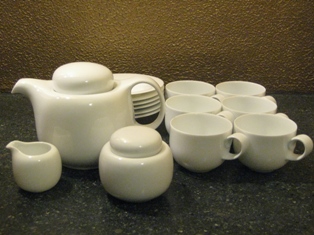
Nana was capable of conducting her inquests alone if we were forced to go to school, for she had something of a standing jury in her sister, my mother, and my aunt – all of whom she would see in person or contact by phone every day with the her findings and suggested judgments. Face-to-face kitchen-table meetings were run around preparing and drinking tea. Nothing special, mind you: just Lipton’s in a pot with milk and sugar served on the side.
When I read those obituary pages with my Nana, no world could have seemed bigger and more inviting – even if whole lives were compressed typically into less than 200 words per deceased.
What choice words! Birthplace, age, residence, family relations, marriage relations, education, religious affiliation, as well as race if you knew how to read it.
 “Monster … not one with the blowing clover or the falling rain.” That's what Ralph Waldo Emerson says.