
Michele Pridmore-Brown at Literary Review:
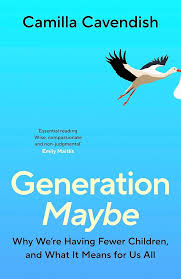 In Mexico City, where I write this, the birth rate is significantly less than one child per woman (0.79), lower even than in South Korea (0.80). In the city’s upscale borough of Benito Juárez, full of urban professionals and historic sites, the dearth of children is especially striking. Housing there is inordinately costly. So is the motherhood penalty in what is still a highly patriarchal society. Children are liabilities for professional and poorer women alike, the latter mostly participating in the informal economy sans parental benefits of any kind. The result: the many parks with colourful jungle gyms, built on a grand scale in the mid-20th century, stand mostly empty as cars and people clog the streets. The few children invariably have a hovering grown-up or two in tow, and are outnumbered by pet dogs on leashes. In San Francisco, where I usually live, the more startling statistic is not the fertility rate but the average age of first birth: thirty-three for women, with almost 11 per cent of 2023’s first-time mothers in their forties. Not coincidentally of course, much of the city’s venture capital is poured into selling the hope of extended fertility.
more here.
Enjoying the content on 3QD? Help keep us going by donating now.