
Shelly Fan in Singularity Hub:
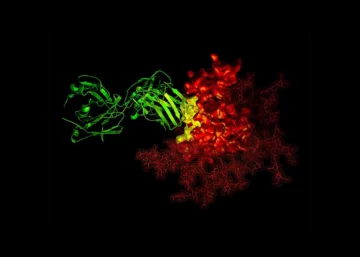 Jeanne Calment was over 122 years old when she passed away. The oldest person in history, she smoked for nearly a century, but never developed cancer. Why does cancer grow, spread, and become deadly in some people but not others? Even twins, who share similar genes and lifestyles can differ widely in cancer risk. Many factors likely contribute, but a bold new study, called ATLAS, is investigating an unexpected player: autoantibodies. These immune-system proteins roam our bodies, but instead of attacking pathogens, they mistakenly target healthy cells and tissues. They’re best known for their role in autoimmune diseases, but early evidence suggests they also fine-tune the immune system’s response to cancer. Some appear to weaken immune surveillance, allowing tumors to sprout and flourish. Others may boost anti-cancer immunity by tagging cancer cells for destruction.
Whether they’re friend or foe is far from clear. ATLAS researchers aim to find out by analyzing blood samples from diverse groups of people, including centenarians and people who have escaped cancer despite carrying high-risk gene variants or exposure to risk factors like smoking. The project hopes to discover why some people are naturally resistant to cancer, which could lead to early diagnostic tests, new therapeutic targets, and more effective treatments. ATLAS may “uncover fundamental principles” of antibody immunity in cancer, wrote the team.
More here.
Enjoying the content on 3QD? Help keep us going by donating now.