
From Nature:
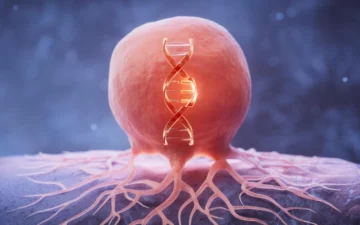 After being treated for diffuse large B-cell lymphoma (DLBCL), a negative readout from a PET scan should be good news for patients. The test tracks radiolabelled sugars as they’re broken down by the body’s most metabolically active tissues. Tumour cells tend to be very active, therefore the sugars will accumulate in malignant tissues and act like beacons signalling the tumour’s presence. A negative result should mean no more cancer.
“That result seems as good as it can be,” says Alex Herrera, chief of the Division of Lymphoma at City of Hope, Chicago. “But there’s still a sizable chance that the disease will come back.”
Evidence suggests that, at the end of therapy, roughly 20% of patients with a negative PET result will relapse within three years. By contrast, around 50% of those with a positive PET result — indicating tumours are likely to regrow — remain cancer free1. Numbers like these emphasize that PET scans have too large a margin for error. “They’re just not sensitive enough,” Herrera adds. To improve survival rates, a more reliable test is needed, one that can sensitively and specifically detect the few cancer cells that remain after treatment ends, collectively referred to as minimal residual disease (MRD).
More here.
Enjoying the content on 3QD? Help keep us going by donating now.