
Jeff Coller in The New York Times:
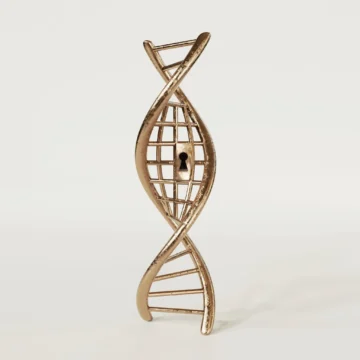 When KJ Muldoon was born in the summer of 2024, his parents were told he had a disease so rare, it strikes about one in 1.3 million newborns. His condition, a severe deficiency of an enzyme known as CPS1, left his tiny body unable to properly break down protein, flooding his blood with toxins that could cause brain damage or death. A liver transplant could correct the problem, but KJ was too young and too fragile to undergo one. With each passing day, the risk of irreversible neurological damage grew. What happened next may become the most important medical story of the decade. In just six months, a team at Children’s Hospital of Philadelphia and Penn Medicine designed a personalized therapy that could correct the single misspelled letter in KJ’s DNA using a gene editing technology known as CRISPR. To get the therapy inside KJ’s cells, doctors relied on the same kind of mRNA technology that powered the Covid-19 vaccines. He received his first dose at 6 months old. One year later, KJ is walking, talking and thriving at home with his family.
…A key question is how the F.D.A. would enforce manufacturing standards for individualized treatments. If the standards are too onerous for each customized treatment, then the platform won’t be able to scale up. Even with the right regulatory framework, there would still need to be a commercial infrastructure to use it. No pharmaceutical company is going to build a manufacturing line for a disease that affects 12 people. Someone has to build the bridge between a one-off academic breakthrough and a repeatable clinical service, and right now there is little funding for that.
More here.
Enjoying the content on 3QD? Help keep us going by donating now.