
Peter Davidson at Literary Review:
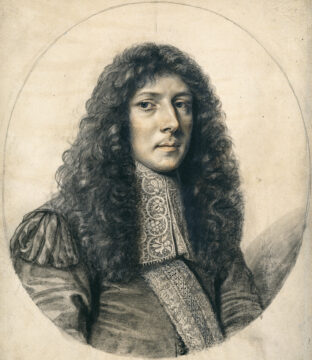 An Oxford-educated Wiltshire gentleman who lost his small estates to lawsuits and debts after the Civil Wars, he was somehow set free by this personal disaster to live, in Auden’s words, ‘a wonderful instead’. Instead of worrying about lawsuits and estate work, he lived on and with his innumerable friends. He travelled and observed places, traditions and monuments, always with a sense that many of his contemporaries, especially during the wars, were intent on the destruction of all these things. His drawn records of the megaliths at Stonehenge and Avebury are still valued today; but so are his records of people’s customs, songs and beliefs, which he gathered in Remaines of Gentilisme and Judaisme (1686–7). Both comic and melancholy, his writings offer a paper museum of people and things. ‘How these curiosities would be quite forgot,’ he writes in his celebrated Brief Lives, ‘did not such idle fellows as I am put them down.’
The context for this delightful sentence about memory comes at the end of one of his most intricate and memorable pieces of writing. His notes for a life of the short-lived beauty Venetia Digby (as edited from Aubrey’s manuscript by Kate Bennett) are haunting: She had a most lovely sweet turn’d face, delicate darke browne haire … her face, a short oval, darke browne eie-browe: about which much sweetness, as also in the opening of her eie-lidds. The colour of her cheeks, was just that of a Damaske-rose: which is neither too hot, nor too pale.
more here.
Enjoying the content on 3QD? Help keep us going by donating now.