
From iai:
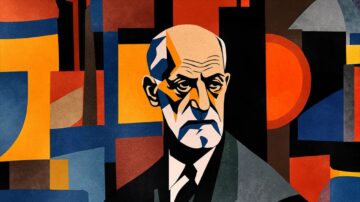 We associate Freud with the repression of thoughts and feelings. But he also described a subtler defense: recognizing an uncomfortable truth, yet acting as if it didn’t matter—a phenomenon he called disavowal. In this interview, philosopher Alenka Zupančič, a close collaborator of Slavoj Žižek, argues that disavowal is the key to understanding our political paralysis. From climate change to populism to the performative outrage of social media, Zupančič says the problem isn’t that we deny reality—it’s that we acknowledge it endlessly and keep doing nothing.
Oliver Adelson: Your latest book spans politics, philosophy, psychology, and more, but there’s one concept that you think is essential for making sense of all these areas: disavowal. What is disavowal, and why is it so key for understanding our predicament?
Alenka Zupančič: It’s something that I started to think about really intensely a few years ago. So it’s not that it’s been with me the whole time, but I think it captures something essential—as you put it—about this time. And it’s a very interesting concept, because we are used to this other concept, which is simple denial. You know, denial of climate change, denial of this or that. But disavowal functions in a much more perverse way. Namely, by first fully acknowledging some fact—“I know very well that this is how things are”—but then going on as if this knowledge didn’t really matter or register. So in practice, you just go on as before. And I think this is even more prevalent in our response to different social predicaments than simple denial.
More here.
Enjoying the content on 3QD? Help keep us going by donating now.