
Lynne Peeples in Nature:
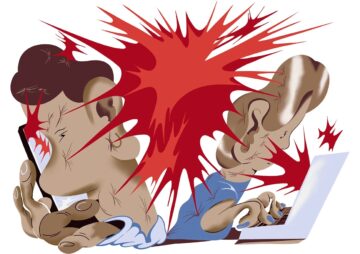 George Slavich recalls the final hours he spent with his father. It was a laughter-packed day. His father even broke into the song ‘You Are My Sunshine’ over dinner. “His deep, booming, joyful voice filled the entire restaurant,” says Slavich. “I was semi-mortified, as always, while my daughter relished the serenade.”
Then, about 45 minutes after saying goodbye outside the restaurant, Slavich got a call: his father had died. “I fell to the ground in a puddle of shock and disbelief,” he says. Slavich recognized the mental and emotional trauma he was feeling — and could imagine how it would affect his health. He studies stress for a living, after all. Yet even after he brought up his concerns, his health-care provider didn’t evaluate his stress. “If stress isn’t assessed, then it isn’t addressed,” says Slavich, a clinical psychologist at the University of California, Los Angeles. “The experience highlighted a paradox between what I know stress is doing to the brain and body, and how little attention it gets in clinical care.”
Decades of research have shown that, although short bursts of stress can be healthy, unrelenting stress contributes to heart disease, cancer, stroke, respiratory disorders, suicide1 and other leading causes of death. In some cases, prolonged stress drives the onset of a health problem. In others, it accelerates a disease — or induces unhealthy coping behaviours that contribute to chronic conditions2.
More here.
Enjoying the content on 3QD? Help keep us going by donating now.