
From Medical Device Network:
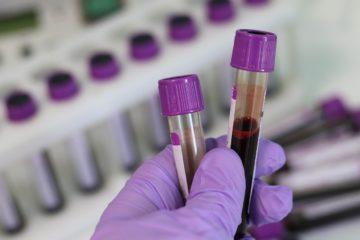 The UK National Health Service (NHS) is set to initiate the trial of Galleri blood test that can potentially detect over 50 types of cancers. Developed by GRAIL, the test is capable of detecting early-stage cancers through a simple blood test. In research on patients with cancer signs, the test identified many types like head and neck, ovarian, pancreatic, oesophageal and some blood cancers, which are difficult to diagnose early. The blood test checks for molecular changes. NHS Chief Executive Simon Stevens said: “Early detection – particularly for hard-to-treat conditions like ovarian and pancreatic cancer – has the potential to save many lives. “This promising blood test could therefore be a game-changer in cancer care, helping thousands of more people to get successful treatment.” Anticipated to start in the middle of next year, the GRAIL pilot will involve 165,000 people. This participant population will include 140,000 people aged 50 to 79 years who have no symptoms but will have annual blood tests for three years.
Those tested positive will be referred for investigation in the NHS.
Furthermore, another 25,000 people with possible cancer symptoms will be offered testing to fast-track their diagnosis after being referred to a hospital in the normal way. The results of these studies should be available by 2023. On obtaining positive outcomes, the study will expand around one million participants in 2024 and 2025.
More here.
 For centuries people have pondered the
  You might recall the strange case of Matthew J. Mayhew, professor of educational administration at The Ohio State University. In late September he published
  At the heart of Oxford’s effort to produce a Covid vaccine are half a dozen scientists who between them brought decades of experience to the challenge of designing, developing, manufacturing and trialling a
  “AND WHAT ABOUT unbiased research? What about pure knowledge?” bursts out the more idealistic of the two debaters. Before the other, the more cynical one, even has a chance to answer, the idealist ambushes him with even grander questions: “What about the truth, my dear sir, which is so intimately bound up with freedom, and its martyrs?” We can picture the caustic smile on the cynic’s face. “My good friend,” the cynic answers, “there is no such thing as pure knowledge.” His words come out calmly, fully formed, in sharp contrast to the idealist’s passionate, if sometimes logically disjointed pronouncements. The cynic’s rebuttal is merciless:
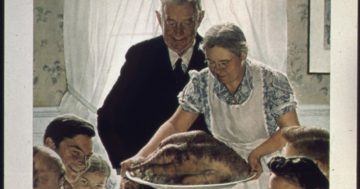 Our quest centres on this simple question: why do so many languages and cultures identify these North American natives as “the birds from India” (oiseaux d’Inde, or simply dinde in French).
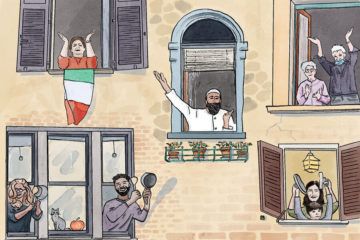 Truth is, this year has seen plenty of gratitude, instinctively and generously expressed. The people applauding out their windows for emergency responders, the heart signs, the food deliveries to essential workers, the neighborhood trash teams, the looking-in on elders. Online platforms as purpose-built as gratefulness.org and as customarily combative as Twitter have been flooded with counted blessings: for our loved ones, for the Amazon carrier, for our dogs. People gave thanks for simple things, mostly – their families, video chats, the “tall green trees that are older than me,” a hummingbird, the ocean, soup. (“Yep, soup,” says a West Sacramento, California, man.) But many, many other expressions of gratitude took the form of generosity, of trying to give back or pay it forward. The news was filled with stories of people in grocery lines paying for the customer coming next, donations to farmworkers, businesses furnishing free meals to front-line responders.
 Mark Ellison stood on the raw plywood floor, staring up into the gutted nineteenth-century town house. Above him, joists, beams, and electrical conduits crisscrossed in the half-light like a demented spider’s web. He still wasn’t sure how to build this thing. According to the architect’s plans, this room was to be the master bath—a cocoon of curving plaster shimmering with pinprick lights. But the ceiling made no sense. One half of it was a barrel vault, like the inside of a Roman basilica; the other half was a groin vault, like the nave of a cathedral. On paper, the rounded curves of one vault flowed smoothly into the elliptical curves of the other. But getting them to do so in three dimensions was a nightmare. “I showed the drawings to the bass player in my band,” Ellison said. “He’s a physicist, so I asked him, ‘Could you do the calculus for this?’ He said, ‘No.’ ”
 He called the next day. We went out for lunch. We went out for dinner. We went out for drinks. We went out for dinner again. We went out for drinks again. We went out for dinner and drinks again. We went out for dinner and drinks and dinner and drinks and dinner and drinks and dinner and drinks and dinner and drinks and dinner and drinks and dinner and drinks and dinner and drinks and dinner and drinks and dinner and drinks and dinner and drinks and dinner and drinks and dinner and drinks and dinner and drinks and dinner and drinks and dinner and drinks and dinner and drinks and dinner and drinks and dinner and drinks and dinner and drinks and dinner and drinks and dinner and drinks and dinner and drinks and dinner and drinks and dinner and drinks and dinner and drinks and dinner and drinks and dinner and drinks and dinner and drinks and dinner and drinks and dinner and drinks and dinner and drinks and dinner and drinks and dinner and drinks and dinner and drinks and dinner and drinks and dinner and drinks and dinner and drinks and dinner and drinks and dinner and drinks and dinner and drinks and dinner and drinks and dinner and drinks and dinner and drinks and dinner and drinks and dinner and drinks and dinner and drinks and dinner and drinks and dinner and drinks and dinner and drinks and dinner and drinks and dinner and drinks and dinner and drinks and dinner and drinks and dinner and drinks and
 IF THE BOOK
 Joe Biden’s victory instantly obliterated the Democratic Party’s longstanding charge that Russia was hijacking and compromising US elections. The Biden victory, the Democratic Party leaders and their courtiers in the media now insist, is evidence that the democratic process is strong and untainted, that the system works. The elections ratified the will of the people.
 When
When  This month has seen a torrent of news about experimental