
Hope
—an excerpt
Hope is with you when you believe
The earth is not a dream but living flesh,
That sight, touch, and hearing do not lie,
That all things you have ever seen here
Are like a garden looked at from a gate.
You cannot enter. But you’re sure it’s there.
Could we but look more clearly and wisely
We might discover somewhere in the garden
A strange new flower and an unnamed star.
Your past as a garden and the you, now,
sitting there reading this, are at the gate
looking over at it or can be. And the lovely idea
that if we look carefully we might find “a strange
new flower and [or] an unnamed star which we missed
when we passed by the first time. Was it a word, or look,
or a doing that we didn’t recognize as a flower?
Did it blossom after we passed by and that is why
we recognize it only when thinking back?
Enjoying the content on 3QD? Help keep us going by donating now.
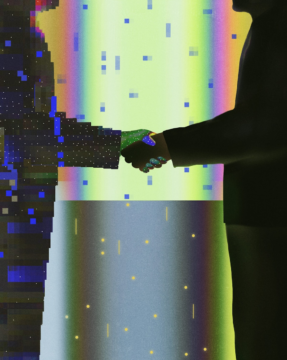 It is a mark of the paucity of social imagination among America’s political class, whether a supine Congress beholden to the president’s personality cult or the moribund Democratic Party bereft of fresh ideas, that thinking through the big picture of a new social contract for the Age of AI has been left to the Big Tech disrupters themselves.
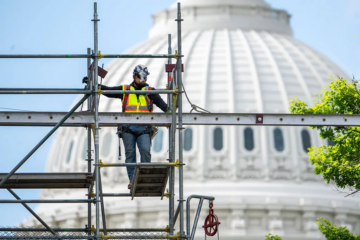 Now that Donald Trump is visibly weakening, it’s important to start thinking seriously about what comes after him. It’s no secret that I’ve been a big fan of the Abundance movement, which was popularized by Ezra Klein and Derek Thompson last year in a book by that name. The core of Abundance is to rebuild American state capacity and create a government that can build things once again. At the top of the list are housing and infrastructure—public goods that will make significant dents in the affordability crisis for ordinary Americans.
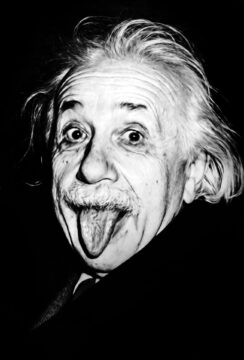 In 1929, Boston’s Cardinal O’Connell branded Einstein’s theory of relativity as “befogged speculation producing universal doubt about God and His Creation,” and as implying “the ghastly apparition of atheism.” In alarm, New York’s Rabbi Herbert S. Goldstein asked Einstein by telegram: “Do you believe in God? Stop. Answer paid 50 words.”
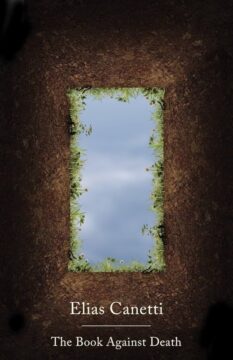 February 15, 1942
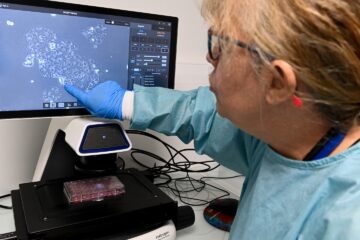 Experimental therapies with radically different approaches are stirring a wave of optimism that survival rates could substantially improve for pancreatic cancer, one of the most stubbornly lethal forms of the disease. Giving doctors and patients more options to standard chemotherapy would “increase shots on goal” and perhaps even make the dreaded diagnosis manageable over a number of years, according to experts.
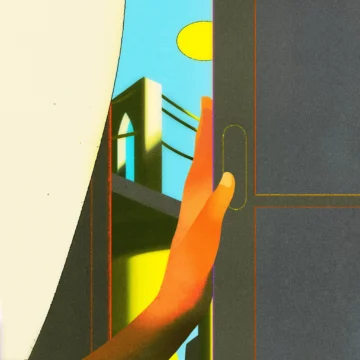 For Zohran Mamdani, it has been a pretty sunny start.
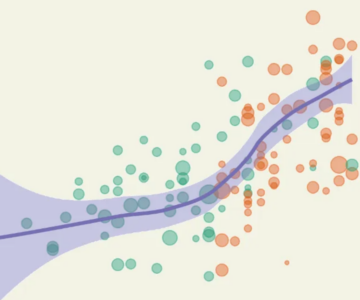 In 1994,
  Large language models’ ever-accelerating rate of improvement raises two particularly important questions for alignment research.
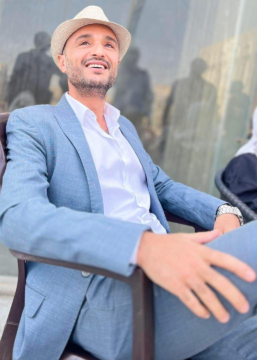 Ahmed Douma has always known the time would come. He knew that the prison cell would take him back. Over the past three years, while Ahmed and I worked together on translating his poems into English, there were many close calls. Periodically, he would be notified that he was under a new investigation for yet another absurd “false news” charge. Before every summons, he would text me: “The poems, Abdelrahman. I entrust them to you—keep the poems alive.”
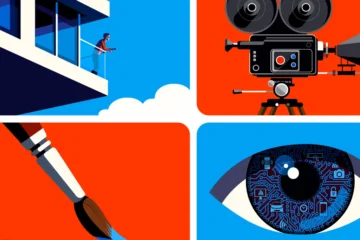 It may be conventional wisdom that the young are more likely to drive trends, but apparently 250 isn’t too old for the job. After all, on the eve of
 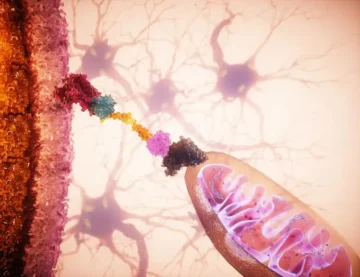 Our cells produce energy in biological power plants called mitochondria. These energy-makers have minds of their own. They operate using a unique set of DNA and can travel outside cells. Like astronauts, they often escape in fatty bubbles, land on other cells, explore them, and sometimes literally fuse with native mitochondria in their new homes.
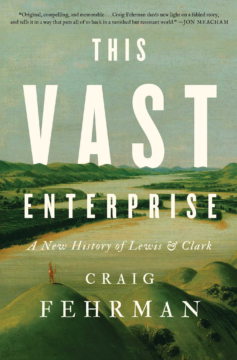 The dog launched itself into me. Suddenly I was rolling on the ground, kicking and swinging and screaming for help. I could feel the teeth clamped into my calf, the jaws tearing and grinding. The dog released and bit again.
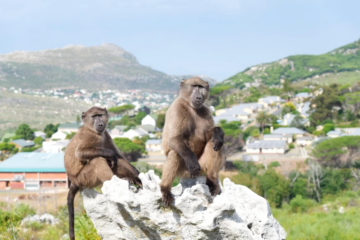 I originally came to South Africa from Sweden for a postdoctoral project with the University of Cape Town during the city’s Day Zero water crisis in 2018. As households faced the possibility of taps running dry, I studied how people adapted to sudden environmental constraints. That experience shaped my interest in how urban residents relate to nature under pressure, when it is no longer something distant, but something that directly shapes everyday life.