
Scott Sayare in Harper’s:
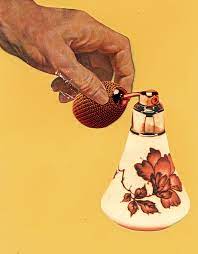 Like many of the great perfumers, Jean Carles was a son of Grasse, a country town in the hills north of Cannes, on the French Riviera. Grasse, once a state unto itself, sits in a natural amphitheater of south-facing limestone cliffs, at the head of a valley of meadows sloping gently to the sea. The combined effect of this geography and the dulcet Mediterranean climate is a harvest of roses, jasmine, and bitter-orange blossoms that is exceptionally fragrant, and for hundreds of years the town has been known as the capital of the perfume trade. When Carles began his training, early in the twentieth century, a priesthood of Grassois perfumers presided over the industry. These so-called nez, or noses, were regarded with an awe of the sort that attaches, perhaps especially in France, to artistic genius. They were vessels of divine talent, their creations as wondrously perfect as the flowers of Grasse.
Would-be nez were initiated through an apprenticeship of several years, during which the secrets of the perfumer’s method were carefully revealed. The language of perfume is borrowed largely from music. Perfumers are said to “compose” their fragrances, merging individual “notes” into sonorous “accords” and arranging those accords in “harmony.” As his training progressed, Carles came to realize with some dismay that, for all its pretensions to art, perfumery proceeded almost entirely by trial and error. The noses selected ingredients by little more than instinct, and dosed them nearly at random. Perfumers worked, Carles later wrote scathingly, “in haphazard fashion, in the expectation of a potential miracle.” Many of the best formulas had been discovered “almost by chance,” he reported, “to the unfeigned surprise of their authors.” He set out to systematize perfumery, to establish a comprehensive theory of fragrance creation.
Carles proposed to arrange the scent realm in an orderly grid.
More here.
 P
P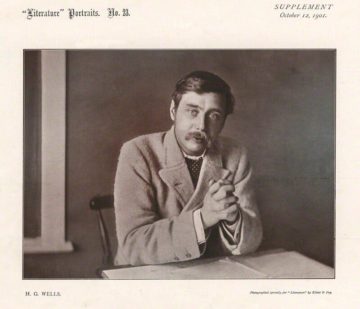 “There was a period when he was turning out 7,000 words a day,” writes Tomalin. “He kept working at what seems an impossible rate, producing stories so varied one might easily think they came from a team of writers.” Few writers will equal his worldwide impact on letters. With Jules Verne and the publisher Hugo Gernsback, he invented the genre of science fiction. A crater on the moon’s far side is named after him. Nominated four times for the Nobel Prize in Literature, Wells, the futurist, foresaw the coming of aircraft, tanks, the sexual revolution, the atomic bomb, and created the classic templates for every story that has been written about alien invasion (his inspiration for “The War of the Worlds,” says Tomalin, was “Tasmania, and the disaster the arrival of the Europeans had been for its people, who were annihilated”) and time travel (he was the first to imagine such travel made possible by a machine).
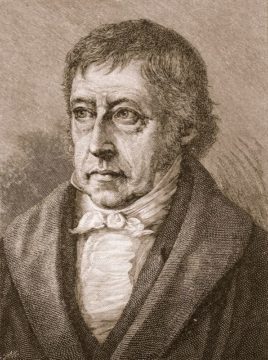 Willem deVries in Aeon:
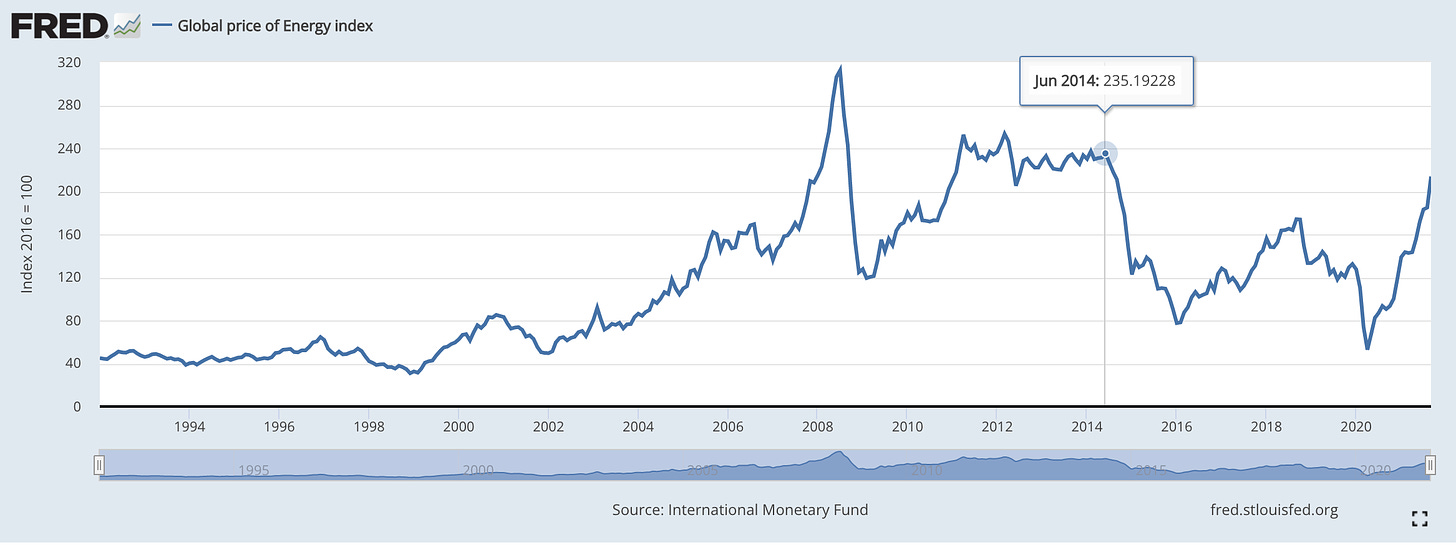 Cedric Durand and Adam Tooze debate if and how the current shortfall in energy supply is directly connected to climate policy. First,
 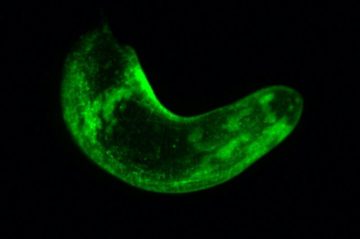 IN 1961, OSAMU SHIMOMURA AND
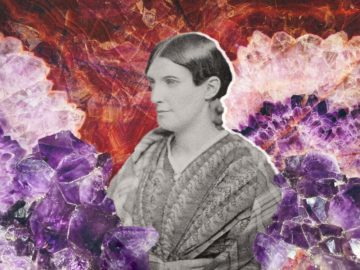 On Christmas Day in 1839, 17-year-old
  The pursuit of authenticity in fashion has taken more than a few interesting turns in the modern world. Consider its role in the political project of President Mobutu Sese Seko of Zaire, who during the early 1970s imposed a series of cultural reforms known as the retour à l’authenticité (return to authenticity) designed to rid the nation of European influences. Cities named after Europeans and colonial officials were given African names: Leopoldville became Kinshasa; Stanleyville, named after the Welsh explorer who established European rule, became Kisangani. Mobutu’s government encouraged citizens to change their Christian names and threatened any parent giving a child a Western name with five years’ imprisonment.
 Any attempt to describe the universe as a totality inevitably involves self-reference. This isn’t something that one often confronts in physics. Most day-to-day physics is modelling other systems: cells, gases, planets. We maintain a separation of subject and object, or of investigator and system being investigated. And even though cosmology is explicitly devoted to the study of the universe as a whole, it is customary in cosmology to maintain the imaginative fiction that we – the people modelling the universe – are looking at it from the outside. We adopt, that is to say, the God’s Eye View.
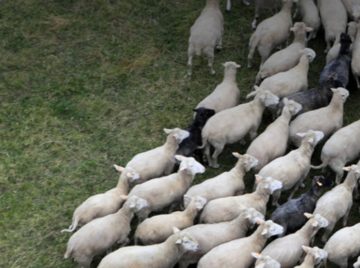 What is worrisome about the lab-leak controversy therefore is not only that our public discussions and political decisions about Covid-19 may have been hampered by the experts’ mischaracterization of scientific knowledge. The long-term danger is that the experts themselves have helped to undermine public trust in scientific expertise and the institutions that depend on it, at a moment when such knowledge is more deeply intertwined with our social and political life than ever before.