
Robert Costanza in Nature:
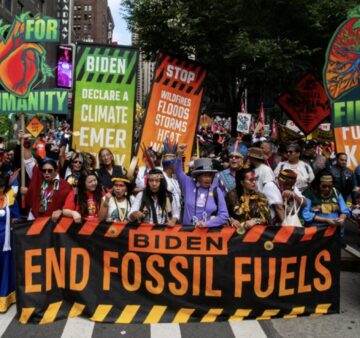 The past year has given many of us reason to pause. We are losing in a race to prevent planetary tipping points — the climate is changing faster than expected, and humanity has already breached six of the nine sustainable planetary boundaries (for biodiversity loss; climate, freshwater and land-system change; biogeochemical flows; and novel entities)1. Summer Antarctic sea ice shrank to its lowest recorded extent in 2023 (see go.nature.com/4f86req), a year that is on track to be the warmest on record (see go.nature.com/4f9ykdj).
People around the world recognize that life is not getting any better. As wars rage, runaway inequality and political polarization are eroding societies’ sense of cohesion. Eight individuals owned more than the poorest 50% of the world’s population, according to an Oxfam report in 20172. Levels of anxiety, depression and burnout are rocketing. Full-time employees are unable to pay rent and must turn to extra part-time work to make ends meet, while employers cut staff and increase workloads.
More here.
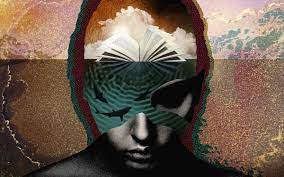 In the surreal aftermath of my suicide attempt and amid the haze of my own processing, my best friend visited me in the hospital with a (soft-bound and thus mental-patient-safe) copy of David Foster Wallace’s Infinite Jest under his arm. It was the spring of 2021. A couple months earlier, I had slipped in a tub, suffered a concussion, and triggered my first episode of major depression, and those had been the most difficult months of my life.
 The Supreme Court is on a collision course with itself, and it’s not clear that the justices even know it. We are now witnessing a five-car pileup of Trump–slash–Jan. 6 cases that will either be heard by the Supreme Court or land on their white marble steps in the coming weeks. The court has already agreed to hear the case of Joseph Fischer, the former Pennsylvania cop accused of taking part in the Jan. 6 storming of the Capitol and assaulting police officers,
  T
T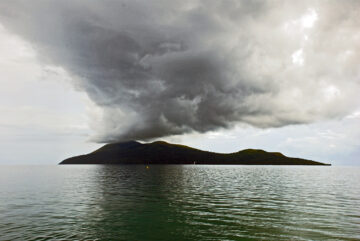 A well-known tourist attraction in Vanuatu is a large private compound near Port Vila on the island of Efate, belonging to local artist Aloï Pilioko. Situated beside Erakor Lagoon, the property — called Esnaar — was the shared studio home of Pilioko, a migrant from the island of Wallis in French Polynesia, and his French-Russian partner, the late Nicolaï Michoutouchkine, who passed away in 2010. After acquiring the property in 1961, the two artists pursued remarkable careers together, traveling, collecting, exhibiting, and making “Oceanic art” all over the world. In the 1990s, the property was converted into a tourist attraction with outdoor pavilions housing displays of travel memorabilia, a shop where they sold a line of hand-painted clothing, and ethnographic works from the collection distributed around the gardens and on display inside their studio homes.
 “By the way, how are you managing with the 100-copy collection?”
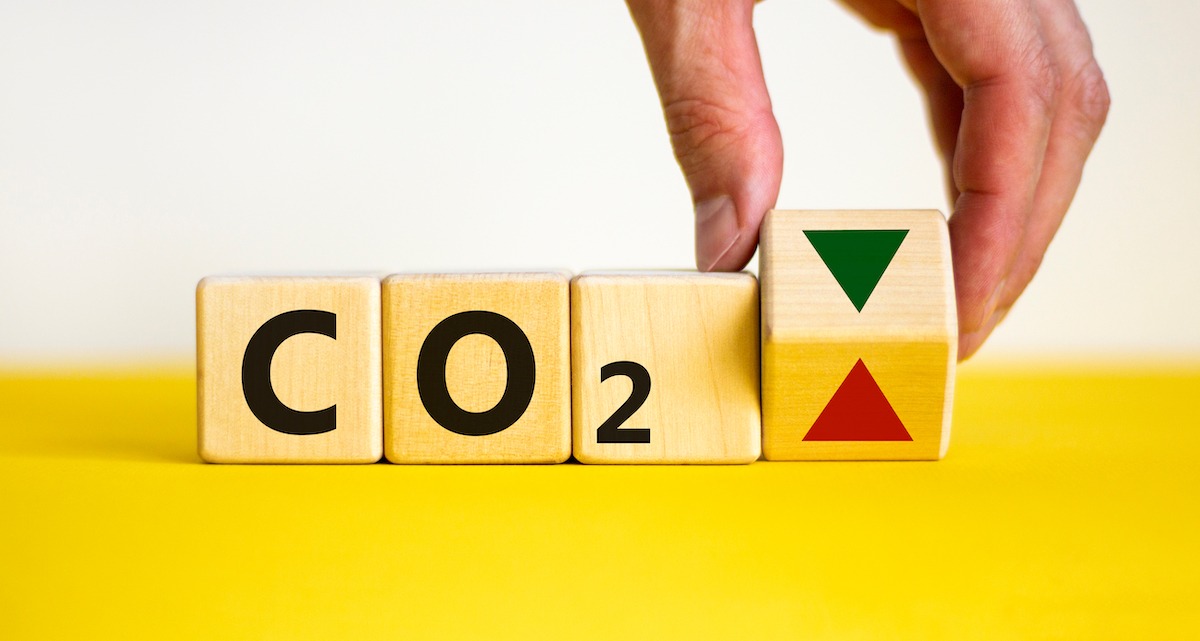 2023 will be the year with the highest emissions ever recorded, according to new projections from the
  Donald Trump is an astoundingly dangerous candidate for president. He is a pathological liar, with clear authoritarian instincts. Were he elected to a second term, the damage he would do to the institutions of our republic is profound. His reelection would be worse than any political event in the history of America — save the decision of South Carolina to launch the Civil War.
 I remember where I was when Edward Said died.
 Exactly. I love to point out philosophical mistakes made by those scientists who think philosophy is a throwaway. In the areas of science that I am interested in—the nature of consciousness, the nature of reality, the nature of explanation—they often fall into the old traps that philosophers have learned about by falling into those traps themselves. There is no learning without making mistakes, but then you have to learn from your mistakes.