
C. Brandon Ogbunu in Undark Magazine:
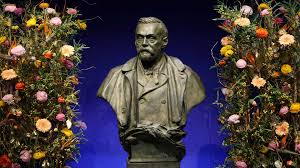 While Nobel Prize announcements have always been newsworthy celebrations of discovery, recent years’ events have been successful in a much more important task: fostering important global discussions around the process of science. This is especially true for the 2024 prizes, which have highlighted the increased relevance of technology and magnified existing questions about where — and how — discovery happens.
In the life sciences, the 2024 announcement picks up on a discourse that began after the previous year’s prize was announced. The 2023 Nobel Prize in physiology or medicine was given to Drew Weissman and Katalin Karikó “for their discoveries concerning nucleoside base modifications that enabled the development of effective mRNA vaccines against COVID-19.” The award was notable because of its direct reference to Covid-19, and because of conversations surrounding Karikó’s career trajectory. After being demoted from a tenure-track position in the 1990s, Karikó has said she was forced to retire from her position at the University of Pennsylvania in 2013. The announcement created an instant stir within the scientific community around a basic question: What does the 2023 award say for how merit operates in academic science?
More here.
Enjoying the content on 3QD? Help keep us going by donating now.
 S
S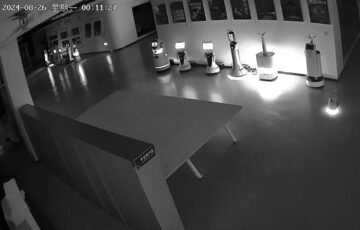 Erbai, the outsider, approached the other robots by asking them, “Are you working overtime?”
 Twice during a 90-minute interview about her memoir, Cher asked, “Do you think people are going to like it?”
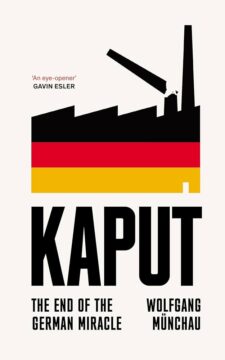 Kaput is about the problems facing Germany rather than the successes of the UK. Münchau (the clue is in the umlaut) is very pessimistic about his native land. It can do little right, in his view. In the German version of Winnie-the-Pooh, Pu der Bär, he is I-Aah, the gloomy donkey. But I-Aah often has a good point to make, and so does Münchau.
 Thirty years ago, when Thomas Brinthaupt became a new parent—and was in the thick of long, sleep-deprived days and nights—he started coping by talking out loud to himself. That inspired him to research why people engage in this type of self-talk. A few key reasons have emerged, including social isolation: As you might expect, people who spend lots of time alone
 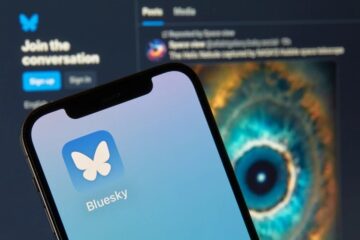 Researchers are flocking to the social-media platform Bluesky, hoping to recreate the good old days of Twitter.
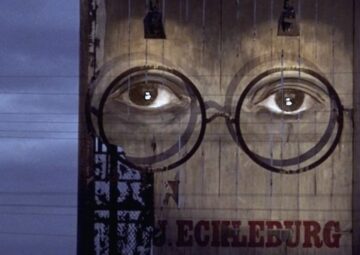 Can a book change a landscape? If ever a book did, it was The Great Gatsby. And if The Great Gatsby did, it did so thanks to one of its first and most ambitious readers, the urban planner Robert Moses.
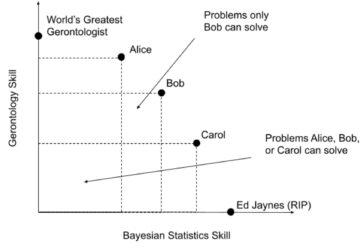 The generalized efficient markets (GEM) principle says, roughly, that things which would give you a big windfall of money and/or status, will not be easy. If such an opportunity were available, someone else would have already taken it. You will never find a $100 bill on the floor of Grand Central Station at rush hour, because someone would have picked it up already.
 When Scientific American was bad under Helmuth, it was really bad. For example, did you know that “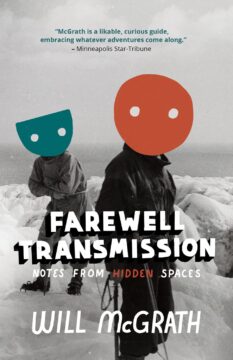
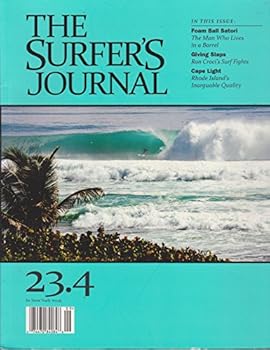 No quote from antiquity sums up the metaphysical challenge of being a surfer more aptly than this one, from Marcus Aurelius, the last Emperor of the Pax Romana: “There is a river of creation, and time is a violent stream. As soon as one thing comes into sight, it is swept past and another is carried down: it too will be taken on its way.” Waves, by their nature, do not hold still. “Catching” one, therefore, can be a kind of thought experiment, a quantum paradox. To hitch yourself onto a surge of liquid energy—to soar across its frothing surface—demands both physical and mental suspension of disbelief.
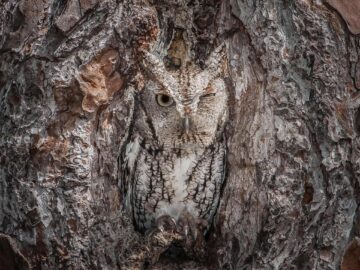 A
A A
A