by Charlie Huenemann
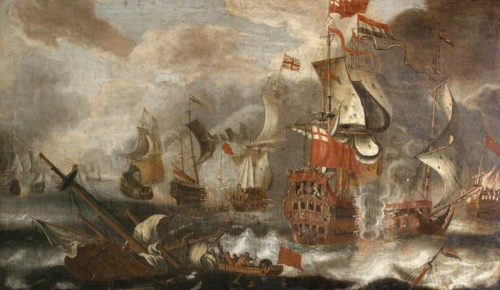
In the summer and autumn of 1665, a German expatriate in London exchanged a series of fascinating letters with a renegade Dutch Jew. The expatriate was Henry Oldenburg, who was serving as secretary of the newly-formed Royal Society of London. The Royal Society of London for the Improvement of Natural Knowledge – which, if formed today, probably would be styled far less handsomely as “RS-LINK” – was a science club of sorts. It provided gentlemen with the occasion to assemble and share their discoveries, puzzlements, and wonders – without their conversation degenerating into disputes over politics and religion. In the earliest history of the Society, Thomas Sprat described it as a respite from insanity: “Their first purpose was no more, then onely the satisfaction of breathing a freer air, and of conversing in quiet one with another, without being ingag’d in the passions, and madness of that dismal Age”.
It was Henry Oldenburg's job to chronicle the Society's discussions and discoveries and publish them in the Transactions. He served also as their PR man, promoting the Society to scientists and intellectuals across Europe. This latter service he did perform with dedication: in the year 1665 alone, he sent out 49 letters and received 66, and these numbers doubled over the following years. Curiously, the letters he received were addressed not to him, but to “Monsieur Grubendol”. More about that in a minute.