
Barn, with Weather
The barn stands at the field’s edge
facing nothing. Not the house,
long gone, nor the road, which curves
out of sight. Only the open, vast
democracy of stalk and wind. Its
paint is a ghostly suggestion of white
that clings to the grain like an afterimage
of snow; its boards have split and warped,
like pages of a book left open in the rain.
The sky today appears in gradients:
smoke-blue, salt-blue, ink soaked in milk,
a ceiling coming loose at the seams
and streaming light that seems reluctant.
There’s a certain correctness to how the
structure weathers: collapse is not an event
but a series of small, careful concessions.
This is how some things leave themselves—
slowly, with dignity, a long slog in
time and sun. Meanwhile, the barn does
not resist being seen. It stands where put,
neither proud nor ashamed, only exact.
by James Gonda
from Rattle Magazine
Enjoying the content on 3QD? Help keep us going by donating now.
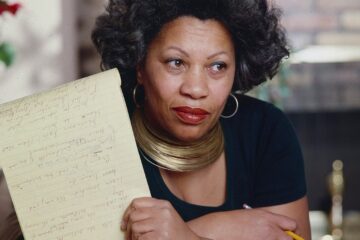 I first interviewed Toni Morrison about her work as a book editor in September 2005, in her office at Princeton. Though our meeting was scheduled for late afternoon, I took an early train from Washington to make sure I could situate myself in West College—which
  S
S Dear Reader,
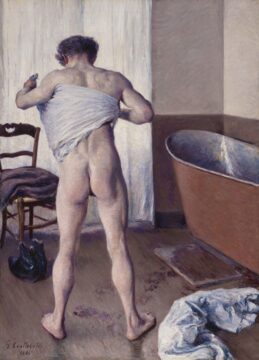 Some years ago, I saw a painting that knocked my sense of the sexes sideways. It was an 1884 work by an Impressionist named Gustave Caillebotte of a nude figure emerging from the bath — the same trope that Degas or Bonnard so often employ because it allows you to observe a woman’s naked body in motion, absorbed in a private ritual replete with sensual pleasure.
 On a weekend in mid-May, a clandestine mathematical conclave convened. Thirty of the world’s most renowned mathematicians traveled to Berkeley, Calif., with some coming from as far away as the U.K. The group’s members faced off in a showdown with
 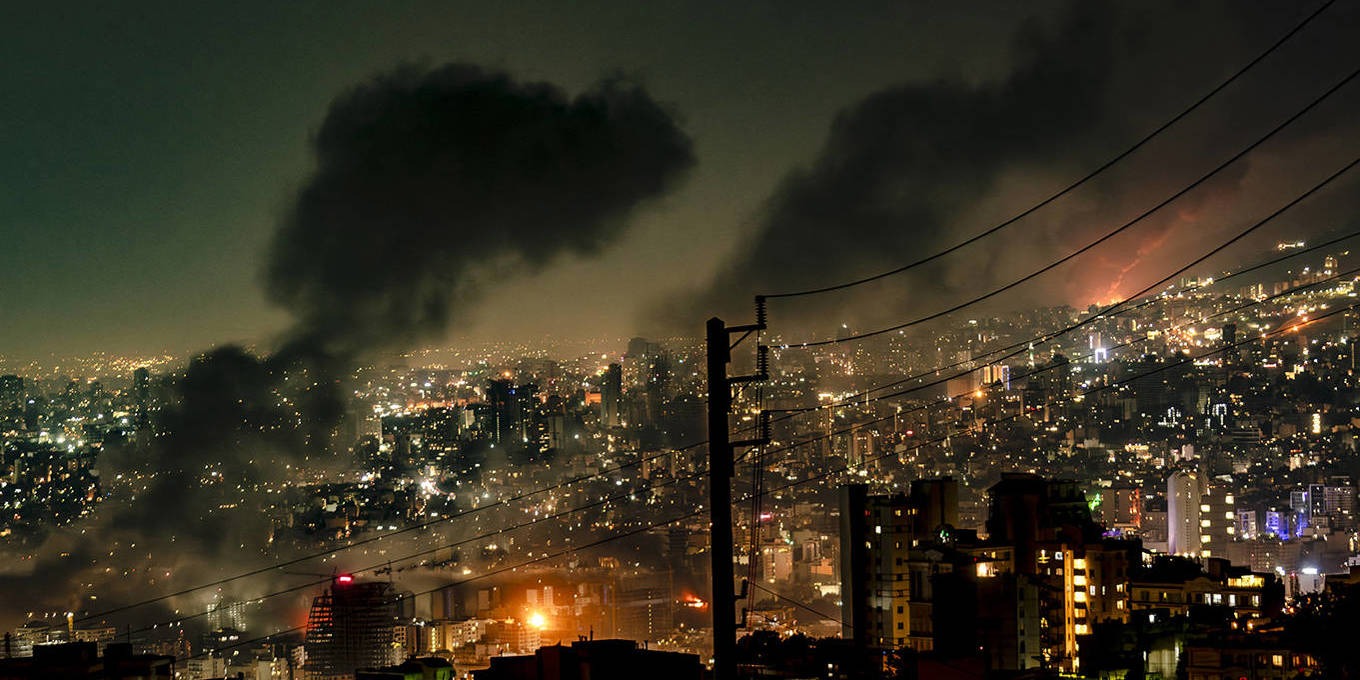 The rapidly escalating military conflict between Israel and Iran represents a clash of ambitions. Iran seeks to become a nuclear power, and Israeli Prime Minister Binyamin Netanyahu longs to be remembered as the Israeli leader who categorically thwarted Iran’s nuclear program, which he views as an existential threat to Israel’s survival. Both dreams are as misguided as they are dangerous.
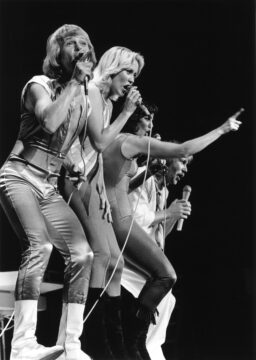 There is probably not a second that goes by without an ABBA song being played somewhere in the world. A remix of “Gimme! Gimme! Gimme! (A Man After Midnight)” is pulsing through a club on a Mediterranean island, a Vietnamese grocery store is piping in “Happy New Year,” a Mexican radio station is playing the Spanish-language version of “Knowing Me, Knowing You.” Live performances, too, continue unabated, and not just in karaoke bars, or in stage productions of “
 T
T Harvard never wanted or expected this.
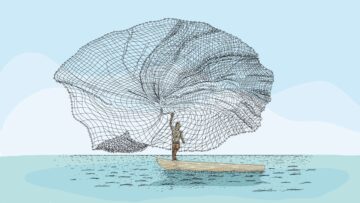
 For years, researchers and policymakers have been sounding the alarm about the limited opportunities children and teenagers have to play and explore without adults around. For instance, children across much of the Western world are less likely to hold part-time jobs or
  W
W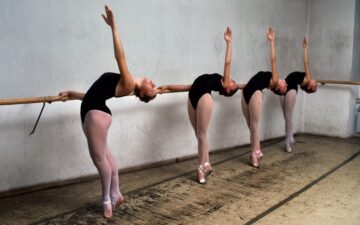 To tap into the flow state, your skill level and the challenge of the task you’re working on should be in perfect balance. This is one of the eight principles of flow, first described by the Hungarian scientist Mihaly Csikszentmihalyi. He coined the term ‘flow’ in 1990 after decades of scientific work about what surgeons, painters, dancers, writers, scientists, martial artists, musicians and other creatives have in common – a curious, all-absorbing state of mind where we feel amazing and are incredibly productive and creative at the same time.
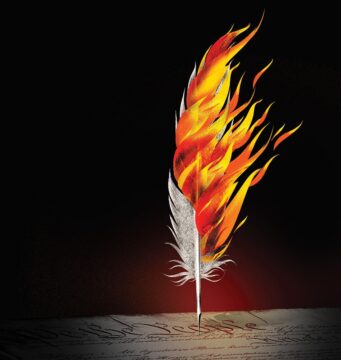 Let’s be frank: It’s a somewhat presumptuous name for a magazine. Adopting it may have been akin to what philosophers refer to as a “speech act,” meant to call into being the very thing referred to. Largely absent from pre–Civil War political rhetoric, which more often spoke of “the union” or “the republic,” the word nation appeared five times in Abraham Lincoln’s 1863 Gettysburg Address. Two years later, when the first issue
 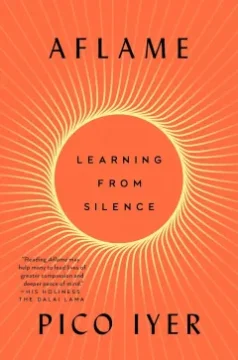 The best measure of serenity may be our distance from the self — getting far enough to dim the glare of ego and quiet the din of the mind, with all its ruminations and antagonisms, in order to see the world more clearly, in order to hear more clearly our own inner voice, the voice that only ever speak of love.