
Daniel T. Blumstein, Peter Mikula, and Piotr Tryjanowski in The Conversation:
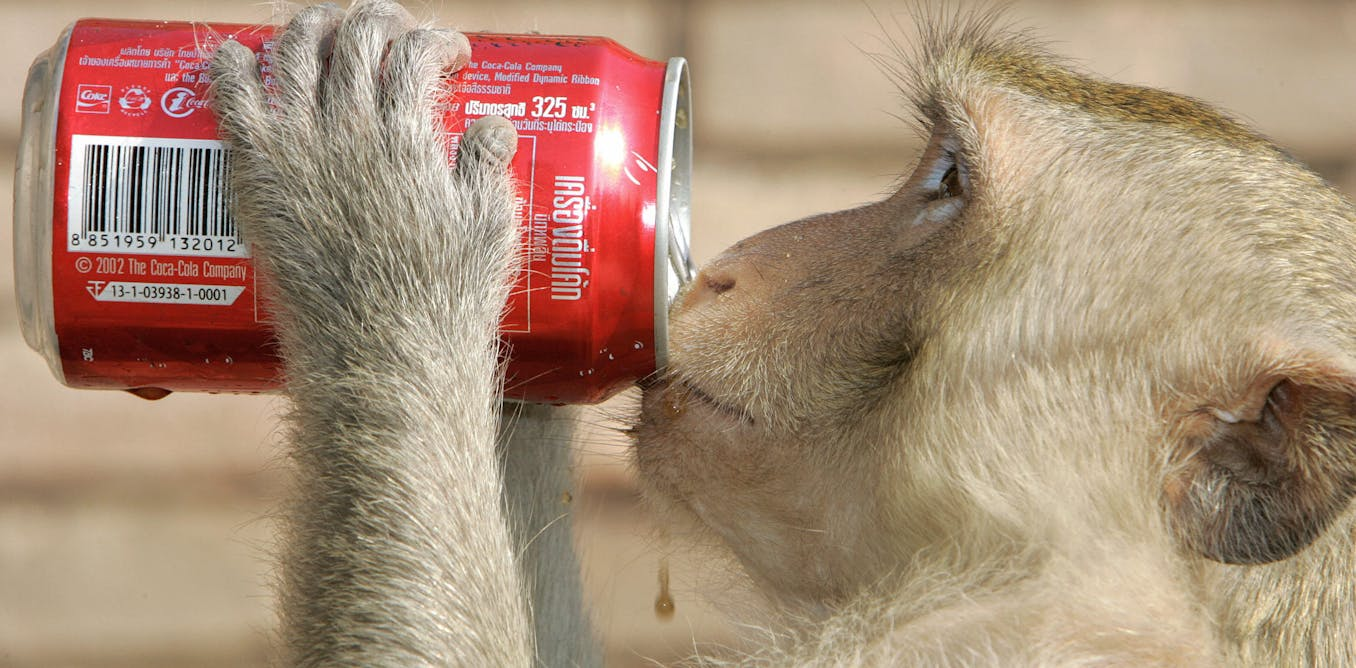 The urban monkeys in New Delhi are so bold they’ll steal the lunch right off your plate. If you’ve spent time in New York, you’ve probably seen squirrels try to do the same. Sydney’s white ibises got the nickname “bin chickens” for stealing trash and sandwiches.
This brazen behavior isn’t normal for most species in the countryside, yet it shows up in urban wildlife, and not just in these cities.
Studies show that animals living in urban environments around the world exhibit common sets of behaviors. At the same time, these urban animals are losing traits they would need in the wild. This process of urban animals’ behavior becoming more similar is known as “behavioral homogenization,” and it accompanies the loss of species diversity with urbanization.
We study animals in urban settings to understand how humans can help wildlife thrive in an urbanizing world. In a new study, we explore the causes and the long-term consequences of these behavior changes for urban wildlife.
More here.
Enjoying the content on 3QD? Help keep us going by donating now.
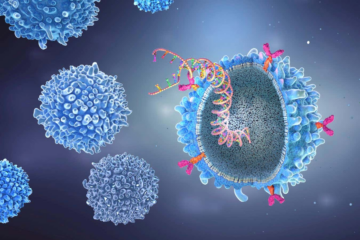 A woman who had three different autoimmune conditions has not required treatments for almost a year after her immune cells were genetically modified and used to kill off the rogue cells attacking her body. “She was deathly sick and bedridden at the time we met her, and we treated her, and seven days later, she got out of bed,” says
  Maybe a decade ago, it still felt as if there were a wild expanse within your phone, a portal to a vast and sometimes terrifying alternate dimension. If the sensation resembled anything in the real world, it was vertigo: There was a bottomless pit in the palm of your hand. And since the mass isolation of the pandemic, that feeling has been replaced by a growing sense of claustrophobia. You can leave it in the other room if you want, but your phone still closes in on you. Even if you spend very little time online, there’s little you can do outside the logic of the internet. It is a force that warps our reality, a cosmic background noise that is everywhere and nowhere — something inhuman that’s subtly reshaping our language, our politics, even our minds.
 In a scene from AMC’s new
  “F
“F W
W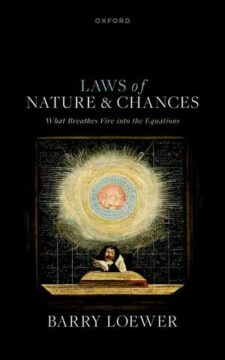 This book’s subtitle is based on a question the physicist Stephen Hawking once asked: “What breathes fire into the equations…?” If understood as asking what makes some propositions laws of nature, Barry Loewer’s book provides an answer: the activity of science. Not God, powers, dispositions, essences, capacities, or primitives. Loewer instead develops a sophisticated “Humean” answer that grounds the origin of nomological modality in scientific practice.
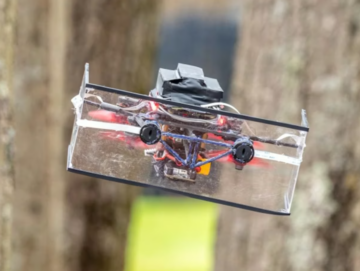 To help small aerial robots navigate in the dark and other low-visibility environments, my colleagues and I developed an
 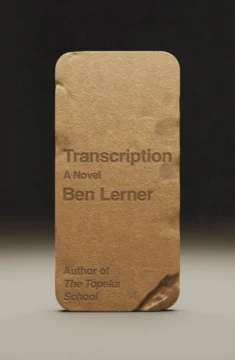 Transcription is his first book written as an elegy, a mode that comes with a thornier-than-usual crop of formal mandates. What kind of verbal machine is an elegy supposed to be, let alone one for intellectual giants like Waldrop or Kluge? To honor the departed mentors in true mimetic fashion, the ideal book should both describe and ventriloquize them, incorporating these writers’ love of slippage and fragmentation, their aversion to cliché and self-seriousness, their taste for the marginal and off-kilter over the exhaustive and august. It should constellate their favorite metaphors and métiers: dreams, angels, ghosts, “apothegms.” It should resist hyperbole. It should purloin language and motifs from their own books and letters, enacting the alchemy of artistic influence. It should alert us to the limits of memory and bend our sense of linear time. It should also, preferably, and wherever possible, approximate the conditions of death itself.
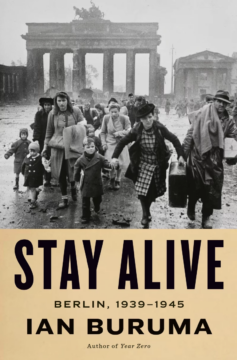 It’s been 80 years since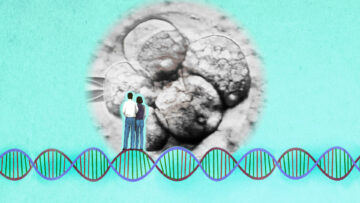
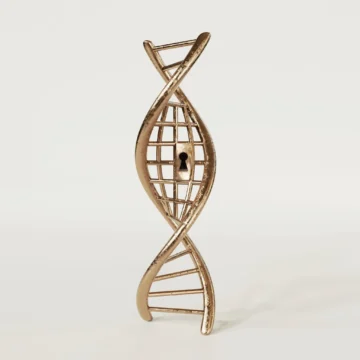 When KJ Muldoon was born in the summer of 2024, his parents were told he had a disease so rare, it strikes about one in 1.3 million newborns. His condition, a severe deficiency of an enzyme known as CPS1, left his tiny body unable to properly break down protein, flooding his blood with toxins that could cause brain damage or death. A liver transplant could correct the problem, but KJ was too young and too fragile to undergo one. With each passing day, the risk of irreversible neurological damage grew. What happened next may become the most important medical story of the decade. In just six months, a team at Children’s Hospital of Philadelphia and Penn Medicine designed a personalized therapy that could correct the single misspelled letter in KJ’s DNA using a gene editing technology known as CRISPR. To get the therapy inside KJ’s cells, doctors relied on the same kind of mRNA technology that powered the Covid-19 vaccines. He received his first dose at 6 months old. One year later, KJ is walking, talking and thriving at home with his family.
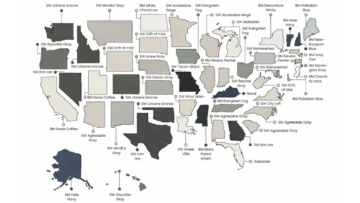 No, you haven’t suddenly gone colorblind. This map is in color. In fact, it is a map of color — specifically, of each U.S. state’s favorite house paint color. It’s just that those favorites look like a swatch book for a funeral parlor — like fifty shades of gray.
 As I walk through the broomsedge in June, dozens of grasshoppers clatter away with every footstep. Bees and wasps wing past, leafhoppers spring, and beetles scurry for cover. This productivity is why so many birds depend on grasslands for their breeding or wintering. Grasslands, especially those in humid areas with good soil, provision their local food webs as richly as do forests.