
Boluwatife S. Olubusoye and James V Cizdziel in The Conversation:
 Every few years, the tires on your car wear thin and need to be replaced. But where does that lost tire material go?
The answer, unfortunately, is often waterways, where the tiny microplastic particles from the tires’ synthetic rubber carry several chemicals that can transfer into fish, crabs and perhaps even the people who eat them.
We are analytical and environmental chemists who are studying ways to remove those microplastics – and the toxic chemicals they carry – before they reach waterways and the aquatic organisms that live there.
Millions of metric tons of plastic waste enter the world’s oceans every year. In recent times, tire wear particles have been found to account for about 45% of all microplastics in both terrestrial and aquatic systems.
Tires shed tiny microplastics as they move over roadways. Rain washes those tire wear particles into ditches, where they flow into streams, lakes, rivers and oceans.
More here.
Enjoying the content on 3QD? Help keep us going by donating now.
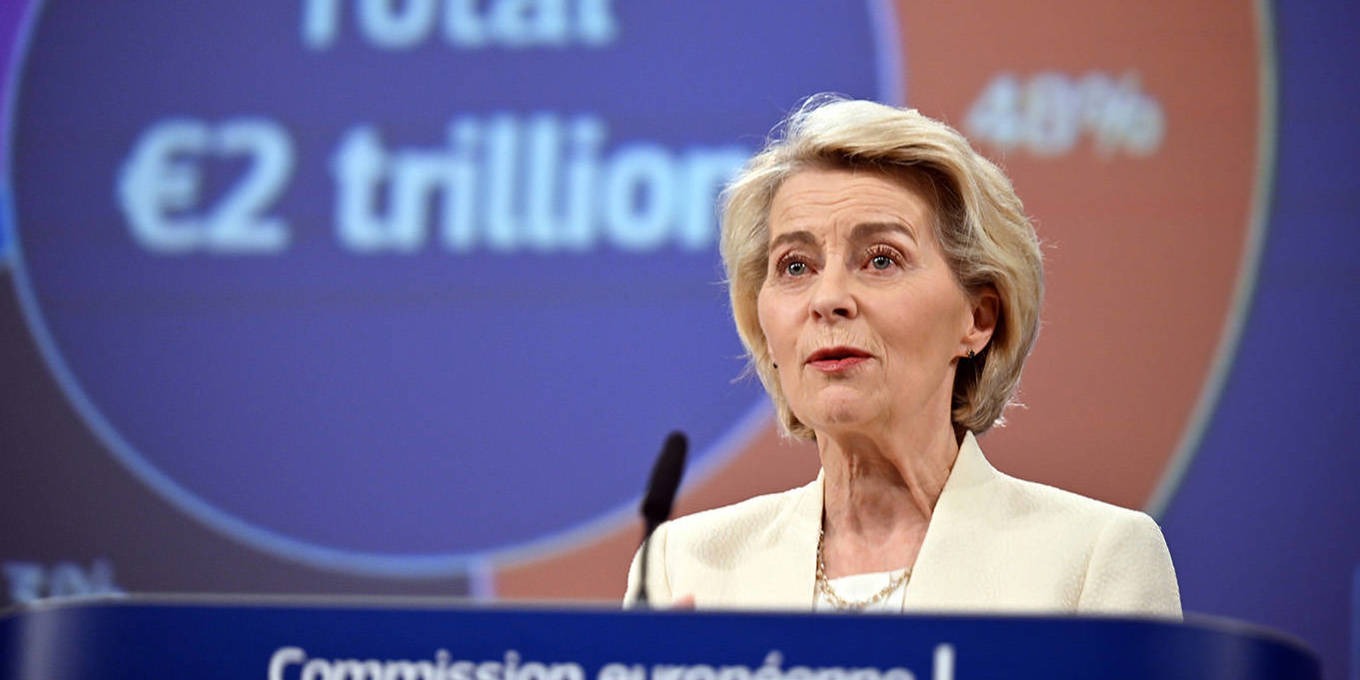 Three urgent priorities are set to strain Europe’s public finances over the next few years. The first – and most obvious – is defense. The push to boost military spending is primarily a response to Russian President Vladimir Putin’s aggression, compounded by US President Donald Trump’s relentless criticism of America’s NATO allies. Together, these pressures have made strengthening Europe’s defense posture a strategic necessity.
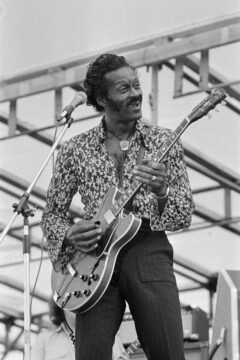 ‘There are ten thousand freedoms,’ the late Joshua Clover once said, ‘but rock freedom is definitely set – in the first instance – in a car, when it’s late outside. It can be ecstatic, it can be boring, it can be adjectiveless freedom, but you have reached escape velocity, faster miles an hour, you have no particular place to go, and you have the radio on.’
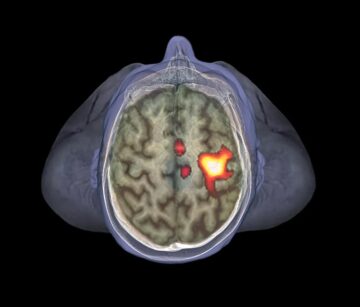 The brain activates front-line immune cells in response to the mere sight of a sick person, mimicking
  What i always say
 It took months of effort to understand
  In 1976 when we were both based in Brussels, my BBC mentor, the great Charles Wheeler, came back to the office from a grand US embassy party one evening and remarked: “The cleverest and most entertaining people at these things are always
  Published by Hunters Point Press last year, the writings collected in
  You could say all of this in another way: Theo Huxtable was a nicely realized character but also a lofty ideal. What he meant was too much for any real person to carry around. Malcolm-Jamal Warner seemed miraculously able to pull it off. He’d been famous and highly visible at an alarmingly young age, but, unlike many other former child stars, he never seemed to feel much rancor about the experience, or resentment about lugging pure-minded Theo around with him for the rest of his life.
 When the sun shines on your skin, what does it hit? When it causes a burn, what went wrong?
 M
M