
Christopher Celenza at Commonweal:
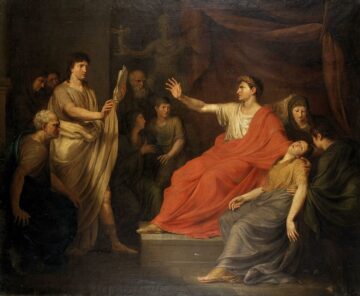 Machiavelli and Du Bois believed that the thinkers of the past could be partners in conversation. Reading seemed a way of entering a living exchange that could shape one’s knowledge and way of life. And in engaging those monumental works, they themselves became part of the tradition they inherited.
Over the past several decades, another habit of reading has grown influential: the instinct to unmask, to expose, to diagnose. The philosopher Paul Ricœur gave that instinct a name: the “hermeneutics of suspicion.” Reflecting on Freud, Nietzsche, and Marx, Ricœur observed that they shared “the decision to look upon the whole of consciousness primarily as ‘false consciousness.’” Measured doubt about the external world had been central to Western thought since Descartes. But with those three thinkers, suspicion turned inward. Human consciousness itself became suspect. The stories people tell themselves (about their motivations, about power, about the meaning of their work) were necessarily deflections, disguises, or rationalizations. Once stripped of “false consciousness,” such narratives revealed the hidden operations of ideology or desire that made unjust arrangements seem natural or masked our unconscious wishes.
more here.
Enjoying the content on 3QD? Help keep us going by donating now.