
Dan Bouk at Asterisk:
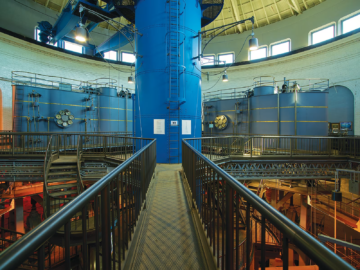 Flipping through the rest of the book, I learned that pumps in water works have an “average life” of 21.3 years compared to only 5.3 years for telephone switchboards. The life of an electric lamp is better expressed in hours (around a 1,000) than years. A railroad tie made from Douglas fir lives a couple more years, on average, than one made white oak and a manure spreader outlives an automobile by more than three years.
Norm had spent a career with these sorts of facts. But I found them a bit odd. I mean, do telephone switchboards have life spans? They were never alive to begin with. So why had this metaphor taken root? What did it mean to an engineer like Norm and to those who came before him?
This first installment in a two-part essay shows how the engineers used the life span as a tool for facing the inevitable problem of mechanical decay. The second part reveals how the metaphor boomeranged, how it transformed into a tool for managing the engineers themselves.
More here.
Enjoying the content on 3QD? Help keep us going by donating now.