
Margaret Renkl in The New York Times:
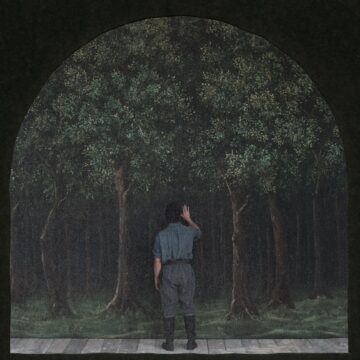 “I can’t believe you haven’t read this,” my husband said one day right before Thanksgiving. He was holding Maggie O’Farrell’s 2020 novel, “Hamnet.” “This book has your name all over it.”
Haywood wasn’t the first person to tell me I’d love “Hamnet.” But I found myself avoiding it when it first came out — a book subtitled “A Novel of the Plague” was not what I wanted to read in the early days of the Covid-19 pandemic — and never got back to it later on.
That was most likely a matter of unconscious design. This beautiful, haunting novel is an imagined account of the death of William Shakespeare’s 11-year-old son, and even Ms. O’Farrell found its subject a challenge. “One of the reasons I kept putting off writing the book was because I had a weird superstition about not writing it before my son was past the age of 11,” she told People magazine. My own sons are long since grown, but it takes only the smallest imaginative leap for me to fall into similar atavistic thoughts.
But the possibility of encountering a devastating plot point is not a reasonable measure by which to judge a work of art. Art is supposed to break our hearts. It’s supposed to crack us open to every raw, elemental feeling a human heart can bear. That’s how it makes us more human.
More here.
Enjoying the content on 3QD? Help keep us going by donating now.