
Rebecca Roberts in The Scientist:
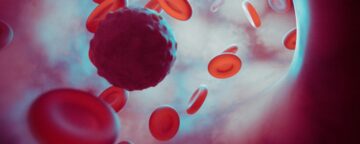 Circulating tumor cells were first described in 1869 by Thomas Ashworth, an Australian pathologist who observed them in a peripheral blood sample taken from a patient with metastatic cancer.1 They have since been detected in a range of tumor types, including breast, prostate, colorectal, ovarian, lung, liver, gastric, and pancreatic cancers, as well as melanoma.2
Researchers and clinicians can use circulating tumor cells to study cancer in a non-invasive way, gaining valuable insights into the biology of tumors. In this article, we explore what these cells are, the challenges associated with studying them, and how they enable scientists to diagnose cancer early, predict clinical outcomes, understand metastasis, monitor the efficacy of treatments, and develop personalized medicines.
More here.
Enjoying the content on 3QD? Help keep us going by donating now.