
Pooja Shree Chettiar in The Conversation:
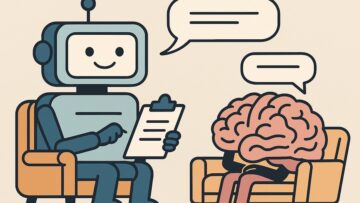 Recently, I found myself pouring my heart out, not to a human, but to a chatbot named Wysa on my phone. It nodded – virtually – asked me how I was feeling and gently suggested trying breathing exercises.
As a neuroscientist, I couldn’t help but wonder: Was I actually feeling better, or was I just being expertly redirected by a well-trained algorithm? Could a string of code really help calm a storm of emotions?
Artificial intelligence-powered mental health tools are becoming increasingly popular – and increasingly persuasive. But beneath their soothing prompts lie important questions: How effective are these tools? What do we really know about how they work? And what are we giving up in exchange for convenience?
Of course it’s an exciting moment for digital mental health. But understanding the trade-offs and limitations of AI-based care is crucial.
More here.
Enjoying the content on 3QD? Help keep us going by donating now.