
Lucy Popescu in The Guardian:
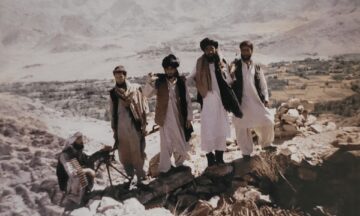 Born in Kabul, Maiwand Banayee aspired to become a Talib when he was 16. In 1994, living in a Pakistan refugee camp, there was little to do except sleep, eat, pray and dream of the afterlife: “Islam dominated every aspect of life in Shamshatoo. Even during the volleyball and cricket games the spectators were prevented from clapping because it was seen as un-Islamic.” Banayee joined the camp’s madrasa when he was 14 in an attempt “to fit in”. The only educational opportunity open to Afghans at that time, the religious school offered structure and purpose, although “instead of teaching us to live, they were teaching us to die”.
In this illuminating book, Banayee, now resident in England, describes the circumstances that led to his indoctrination, and what eventually saved him. Brutalised by conflict, his Pashtun family lived through the Soviet-Afghan war, followed by the period of bitter infighting between warlords. As a child, Banayee saw his neighbourhood torn apart and corpses rotting in the street: “By the winter of 1994, Kabul had turned into a deserted place, as if hit by Armageddon – a place of daily bombardments, looting and arbitrary arrests. The savagery and violence had no limits.” Banayee, his siblings and brother’s family eventually sought refuge in Pakistan, while his parents remained in Kabul with his disabled sister, Gul, fearing she would not survive the journey.
More here.
Enjoying the content on 3QD? Help keep us going by donating now.