A few weeks ago, at the height of the News of the World scandal, I appeared on the BBC's World Have Your Say to talk about how – or if – unfolding events in the UK were shaping the way Nigerians regarded their colonial overlords. Not long after that I contributed to a Guardian article on a similar theme.
Apart from a few newspaper editorials and columns, I didn't get the impression the average Nigerian had much of an opinion regarding the phone-hacking. (It's hard to say how much this may have had to do with the fact that Nigeria doesn't have a voicemail culture)
On the day David Cameron visited Lagos, while his citizens were demanding his urgent return home to deal with the crisis, Lagosians seemed more concerned about the traffic his presence in town was causing. “Why do they block the road [because] a dignitary is in town? Do they block roads in London when [Nigerian President Jonathan] visits?” one Facebook status queried.
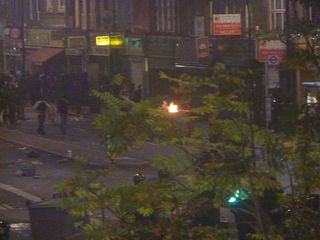
The ongoing riots (like the parliamentary expenses scandal) are another matter though. Nigerians – like the rest of the world – have opinions about that. Some of it is self-deprecating (Blackberry messages joking that Nigerians-in-London are turning down an evacuation offer from their government; preferring a temporarily-burning London to their perpetually dysfunctional homeland); the rest drawing on something close to Schadenfreude (reports of the Gaddafi regime insisting that Mr. Cameron has “lost his legitimacy and must go”; and of Iranian President Mahmoud Ahmadinejad describing Britain's treatment of the rioters as “savage”).