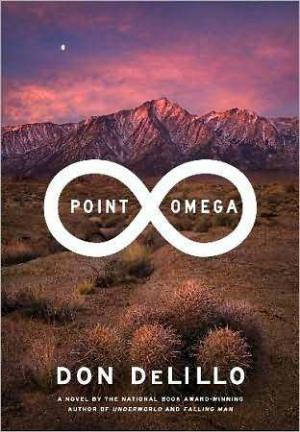
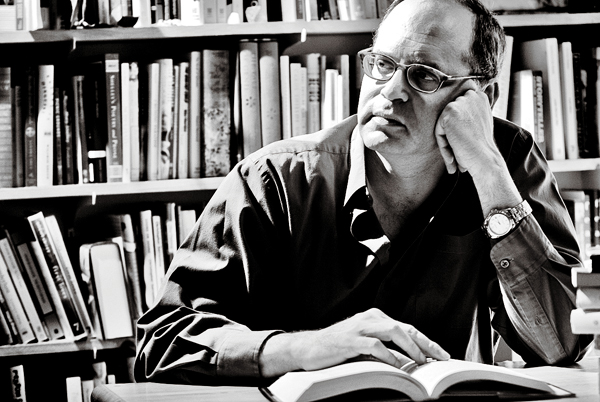
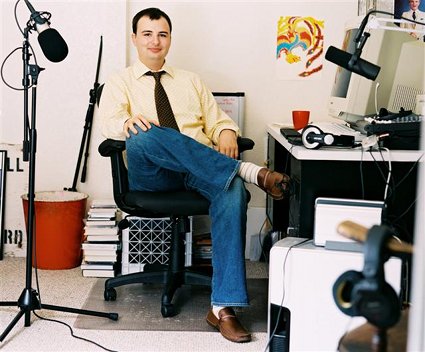
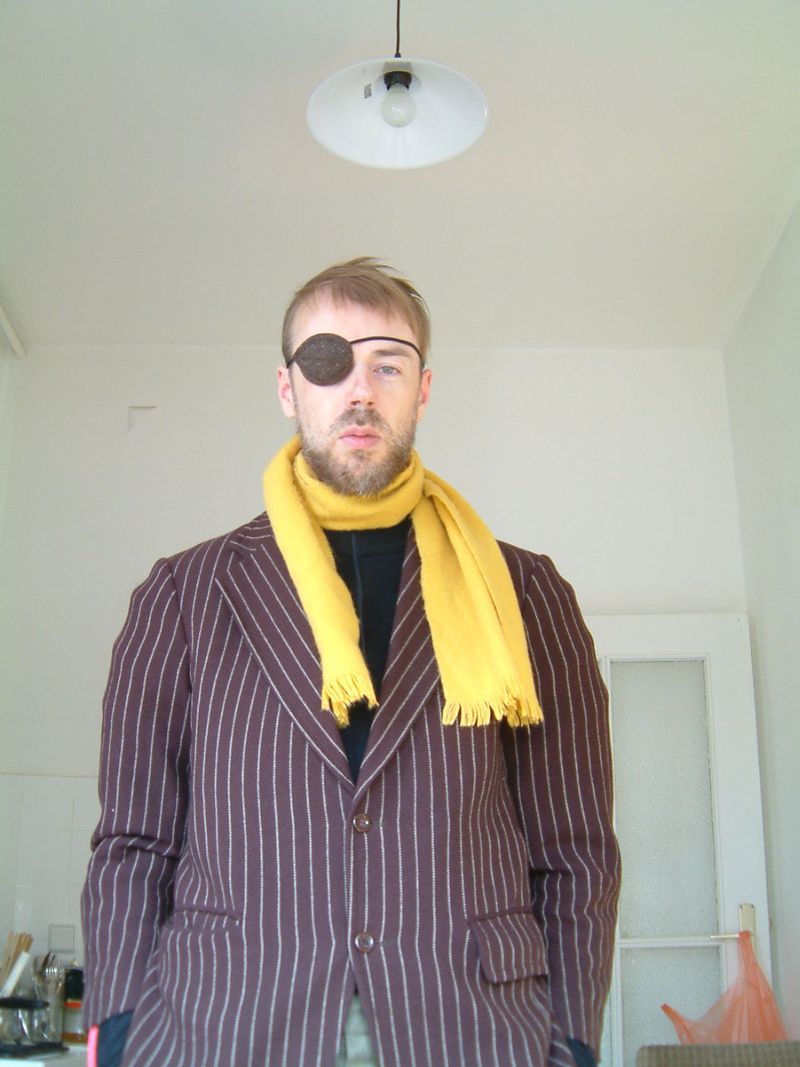
Better known as Momus, Nick Currie has, since the mid-1980s, led parallel careers in music (with 21 albums out so far), prose, art and journalism, exploring the nexuses between them while traveling the world and examining his favorite cultures. He has most recently turned toward traditional ink-and-paper publishing with two volumes, The Book of Jokes and The Book of Scotlands. Since 2004, he has written the blog Click Opera on his life, work and art adventures, which he closed on February 10, the eve of his 50th birthday. Colin Marshall originally conducted this conversation on the public radio program and podcast The Marketplace of Ideas. [MP3] [iTunes link]
It's not a relief at all, because blogging is the best thing I've done in years. I feel like it's the ending, and maybe the happy ending, or maybe the sad ending, of a very enjoyable thing. It's become an ingrained habit in me, so as soon as I knew I was putting the blog to bed, in came a great story, a conversation I was having with Ezra from Vampire Weekend and I thought, “Wow, this is a great update to that Vampire Weekend story we featured last year.” Then I thought, “Well, I can't do it, because the blog ends tomorrow.” It's frustrating.
And your introduction, calling me a former blogger; in a way, one reason I'm ending the blog is so that I don't get called “Nick Currie, blogger” anymore. But actually, it's even sadder to be the former blogger Nick Currie. I'm hoping that'll be a very brief interim period, and then I'll be known as Nick Currie, something else.
I could include more things that you've done in that introduction, but I do think, when I read that, considering the region of the world you have your origins in, that's not the sort of thing appreciated by the UK, is it? When you do a lot of different things?
There is a tradition of dilettantism. It's an Italian word; in Scotland we probably have a less polite word for it, like you're a “thrawn” or a “tosspotter.” Scottish people are also able to be leisurely and expansive in their interests, and we had a period of Scottish humanism; the 18th century was full of amateurs and dilettantes in Edinburgh. You can be a jack of all trades and a master of none, or you can be an amateur, with its roots in the verb “to love.” I think enthusiasm's tremendously important, and the blog was a way for me to find things to be enthusiastic about out there on the web every day.
It was, but I was a little bit worried because I was approaching a one-to-one ratio. In other words, the things you would talk about and the things you would do would approach equality. Every single thing I would do in real life would end up getting written about. There is this saying that the unexamined life is not worth living. I forget who said that, but, actually, you know, it is worth living.
Read more »