
Lynne Peeples in Nature:
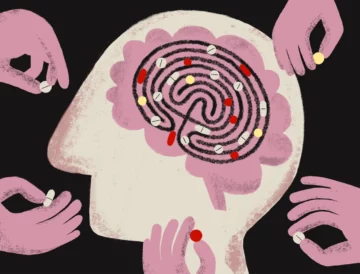 Every year, millions of people start taking a drug with therapeutic effects that can’t be fully explained, for a condition that can’t be objectively diagnosed with a laboratory test. Selective serotonin reuptake inhibitors, or SSRIs, are among the most prescribed medications in the world. Yet, even after decades of use, scientists are still untangling the biological changes that SSRIs trigger in the brain and body. “We fundamentally don’t know how they work,” says Maurizio Fava, a psychiatrist at Massachusetts General Hospital in Boston.
That uncertainty collided with politics earlier this year when, speaking at a wellness summit focused on mental health, US Secretary of Health Robert F. Kennedy Jr argued that the drugs are greatly overused and have withdrawal risks that are on a par with heroin. His claims prompted an outcry from some scientists and clinicians, who warned that Kennedy had overstated the concern, potentially scaring people away from life-saving treatment. But others said he had identified a real problem, even if clumsily. “This is a major public-health issue,” says Mark Horowitz, a psychiatrist at Adelaide University in Australia. “I hope the messenger’s controversialness doesn’t kill the message.”
More here.
Enjoying the content on 3QD? Help keep us going by donating now.