
From The Scientist:
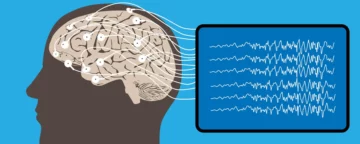 In the 1870s, scientists discovered that mammalian brains carried electric current, paving the way for the field of neurophysiology.1 Nearly a century later, Jacques Vidal, a computer scientist at the University of California, Los Angeles, published a landmark paper proposing the idea of brain-computer interfaces: a direct communication link between the brain and an external device like computers or prosthetics via the brain’s electrical activity. The idea, which seemed like science fiction four decades ago, eventually gained momentum, with various researchers offering proofs-of-concept with real-world applications. Read on to learn how brain-computer interfaces have allowed people with motor or speech dysfunctions to control robotic limbs, communicate, and regain sensation.
Brain-Computer Interface Devices Drive Advances in Neuroscience
While brain-computer interface devices have obvious clinical applications, makers of the technology also understand its implications for better understanding the human brain. Beyond helping people with motor or speech dysfunction, recording brain activity can help scientists decode neural dynamics. With new and improved devices making it to the market, researchers can now obtain unprecedented insight into the inner workings of the brain, which can in turn improve the design of brain-computer interface devices.
More here.
Enjoying the content on 3QD? Help keep us going by donating now.