
Matthew MacConnell at Ars Technica:
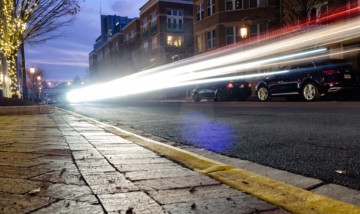 Before cars became the modern mode of transportation, horse-drawn carriages used oil lanterns to light the way, as roads were largely unlit outside of towns and cities. These lanterns weren’t particularly bright, though, meaning that after-dark collisions and near-misses were common.
The late 1880s brought the motorcar, which used railway-style oil lamps. These emitted light like a candle and were prone to spilling, which could cause the vehicle to ignite.
Acetylene lamps arrived in the early 1900s. Like oil lanterns, they were dangerous, primarily because they relied on an open flame and produced highly flammable acetylene gas. If the gas nozzle became clogged or leaked, pockets of concentrated acetylene could build up and ignite, causing localized explosions.
More here.
Enjoying the content on 3QD? Help keep us going by donating now.