
Jake Flanagin at the Los Angeles Review of Books:
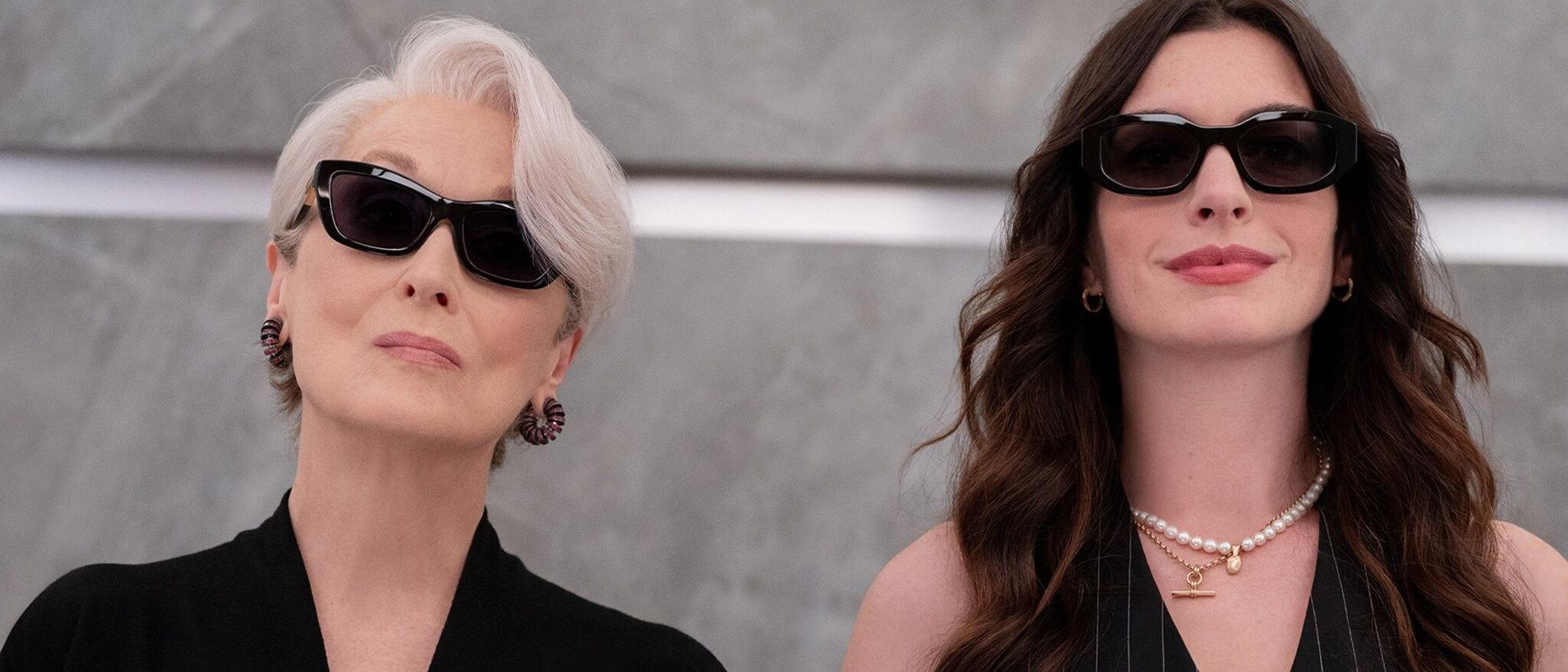 The scariest thing about Meryl Streep’s performance in The Devil Wears Prada 2 might be just how relatively unscary it is. The character of Miranda Priestly, the silver-haired editor in chief of Runway magazine, has been stripped of the icy authority that, in the original film released two decades ago, made her equally terrifying and compelling.
On a superficial level, the trademark imperiousness remains—the opaque directives, the sneers across the conference table, the quaking coterie of editors and assistants. But the characterization has softened: this Miranda has been whittled down by a hailstorm of human resources complaints, advertiser sensitivities, and the slow erosion of legacy media’s institutional power. Runway, once a bastion of militant aesthetic decree, now bends toward the economics of clicks and influencer sponcon. Its figurehead has been reduced from absolute sovereign to Nordic-style constitutional monarch, more campy brand extension than C-suite despot, accountable to forces she can no longer fully command.
More here.
Enjoying the content on 3QD? Help keep us going by donating now.