
Elisa Gabbert at the New York Times:
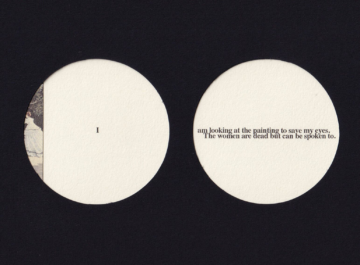 To write about art might encourage some removal from the self, but nothing requires it. And so this accident of history has caused me to associate I-lessness with ekphrasis: a mode that elides the I as if some universal eye were speaking out. The invisible, anonymous describer of museum placards.
By contrast, in what I’ll go ahead and call the new ekphrasis (though we know nothing’s new in the multiverse), the I is highly present. Description, in this strain of recent poetry, is deeply inflected by a singular viewpoint. The poems could not be more intensely felt than those by Keats or Rilke, yet they have different effects — more embodied and more personal, even confessional.
More here.
Enjoying the content on 3QD? Help keep us going by donating now.