
Stephanie DeMarco in The Scientist:
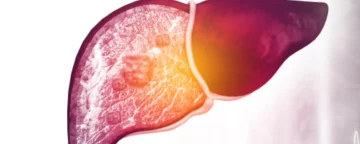 Macrophages may be best known as the first responders of the immune system, and the ones that reside in the liver are no different. They protect the liver from infections, but when liver cells start to accumulate fat, these macrophages can become activated and contribute to the chronic inflammatory condition, metabolic dysfunction-associated steatotic liver disease (MASLD).1
MASLD ranges in severity from simple fat buildup called metabolic dysfunction-associated steatosis (MASL) to chronic inflammation and fibrosis called metabolic dysfunction-associated steatohepatitis (MASH), which can progress to cirrhosis and liver cancer, eventually necessitating a liver transplant. While mouse models have helped scientists better understand the different ways macrophage populations contribute to the progression of MASLD, they have led to oversimplified models due to differences between mice and humans.
More here.
Enjoying the content on 3QD? Help keep us going by donating now.