
RJ Mackenzie in Nature:
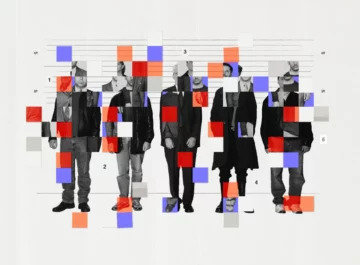 For decades, researchers have raised concerns about the reliability of eyewitness testimony in criminal cases. Memories can be flawed, degraded, biased and contaminated. These problems are often intensified by unsound or inconsistent methods used by the police when eyewitness accounts are first taken. For many scientists in the field, memory is simply not to be trusted.
But the science of memory has been shifting. A re-evaluation of real-world criminal cases and laboratory experiments suggests that an eyewitness’s confidence in a specific memory can be a strong indicator of the veracity of their account, at least in certain circumstances.
More here.
Enjoying the content on 3QD? Help keep us going by donating now.