
Kiran Kumbhar at Aeon:
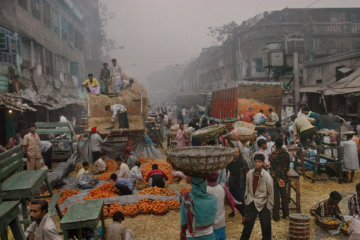 South Asia, or the Indian subcontinent, or ‘India’ in its pre-nation-state meaning, boasts a remarkable diversity in ethnicities, cultures and languages. For more than two centuries, scholars and amateurs from around the world have attempted to explore it and make sense of it – though, unsurprisingly, these attempts have had a raucous ride. The more recent genetic studies (including with ancient DNA) on early population movements into and across South Asia – which have captured the attention of scholars and the public for more than a decade now – are only the latest to witness the impassioned contests that are a familiar rite of passage for any new idea in the South Asian history discourse. Constant scholarly activity as well as relentless public commentary have meant that, apart from the genuinely fascinating history of the peopling of India itself, the history of how that history has been imagined, framed and written at different times by different people over the past 200 years is almost equally enthralling.
More here.
Enjoying the content on 3QD? Help keep us going by donating now.