
From Science:
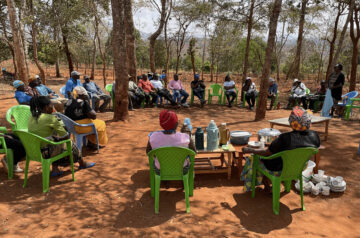 Even in the best of times, changing society for the better feels like a formidable task. Measures that improve sustainability and public well-being can be good for business and beneficial for humanity, but how do societal transitions occur? The Socioscope tackles the fundamental issue of systemic change and addresses a gap in the social sciences: the absence of strong, empirically based methods for studying complex societal shifts across different levels.
Entrenched systems have a tendency to resist change of any kind. And yet change does come. For example, accumulating plastic waste is a major environmental issue in Colombia, and as of 2023, only 3% of that discarded material was being recycled. To tackle this problem, the Colombian beverage company Postobón has spent the past few years providing training, equipment, and other resources to associations like Coprofercol, a collective representing the impoverished workers who do the lion’s share of waste collection in Colombia. This investment has not only boosted recycling, but has also helped this collective to grow. “Now 10% of Colombia’s waste pickers are in these associations,” says Saadi Lahlou, a statistician and economist and director of the Paris Institute for Advanced Study, “which has a huge social impact, because many of these people used to sleep in the street.”
More here.
Enjoying the content on 3QD? Help keep us going by donating now.