
Shelly Fan in Singularity Hub:
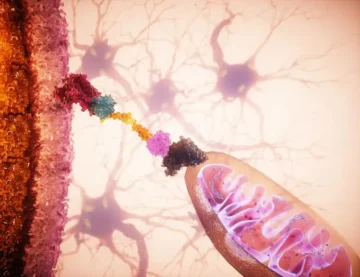 Our cells produce energy in biological power plants called mitochondria. These energy-makers have minds of their own. They operate using a unique set of DNA and can travel outside cells. Like astronauts, they often escape in fatty bubbles, land on other cells, explore them, and sometimes literally fuse with native mitochondria in their new homes.
This makes mitochondrial diseases hard to treat. Few gene editing tools can reach them and fix genetic typos. Even without mutations, mitochondria falter with age, contributing to diabetes, Alzheimer’s disease, heart failure, and other medical scourges. But an experimental fix is gaining traction. Researchers are shuttling healthy mitochondria into cells—essentially transplanting them—to restore energy production and reboot metabolism. There’s a major roadblock, however. Getting healthy mitochondria to the right cells is challenging. Scientists at the Institute of Molecular and Clinical Ophthalmology Basel have now developed a system that tethers donated mitochondria to their targets.
More here.
Enjoying the content on 3QD? Help keep us going by donating now.