
Theodore Martin at LitHub:
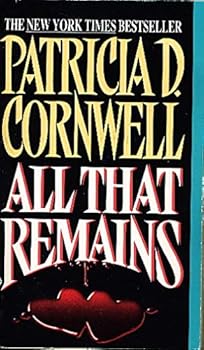 It has long been conventional for crime novelists to describe killers using the language of insanity, madness, and mental illness. But in the crime novels of the 1990s, another term keeps cropping up: sick. The murderer in Blanche on the Lam is “sick….Very sick.” In A Walk among the Tombstones, Block’s detective Matt Scudder decides that the serial killers are either “sick…or evil…take your pick.” In L.A. Confidential, the serial killer Douglas Dieterling isn’t mad, he’s “quite physiologically ill. He gets brain inflammations periodically.” The physiological effects of brain inflammation are also mentioned in White Butterfly, where the big reveal about serial killer J.T. Saunders is that he suffers from syphilis, which has affected his brain. As one of Mosley’s characters explains, “VD can make you insane.” Cornwell makes the sickness more literal still. The killer in All That Remains is identified only after it is discovered that he suffers from “aplastic anemia.”
Cornwell had used this device before. In her debut novel Postmortem (1990), Kay Scarpetta finds herself debating the health status of the serial killer she’s pursuing. “He isn’t sick, okay?” Scarpetta insists. “He’s antisocial, he’s evil.” Her colleague disagrees: “Has to be some kind of sickness. He knows he’s sick.”
more here.
Enjoying the content on 3QD? Help keep us going by donating now.