
From NPR:
 MICHEL MARTIN, host: As we’ve just said, the apology for slavery from the House of Representatives is just the latest public act in the century-long drama of slavery in the U.S. Fiction has shaped much of how America has viewed the lives of enslaved Americans. From “Gone to the Wind,” to “Roots,” to “Amistad,” the public imagination has evolved from seeing slaves as happy servants to victims of history to defiant heroes who demanded that the country live up to its core beliefs.
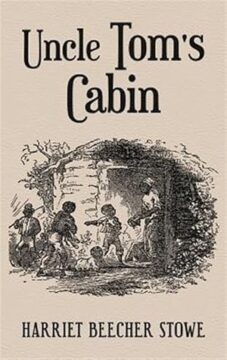
But “Uncle Tom,” is the most enduring fictional slave. He’s the title character in “Uncle Tom’s Cabin,” the novel written by abolitionist Harriet Beecher Stowe in 1852. The bestseller was meant to rally the moral sentiments of whites against the horrors of slavery, and it succeeded. But the character of “Uncle Tom” has become synonymous with servility and self-hatred.
More here. (Note: Throughout February, at least one post will be devoted to Black History Month: A century of Black History Commemorations)
Enjoying the content on 3QD? Help keep us going by donating now.