
Zineb Riboua at The National Interest:
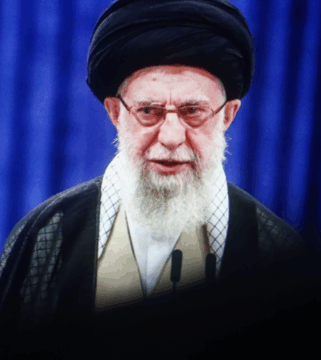 Unlike earlier protest waves, this unrest unfolds as Iran’s core pillars—its economic viability, coercive capacity, and external deterrence—fail simultaneously, creating a systemic crisis the regime has never faced and may not survive.
Crucially, the regime’s failures are starkly visible in Iran’s accelerating water crisis, which has evolved from an environmental strain into a political fault line. A country of more than 90 million people is confronting its worst drought in over half a century, with collapsing aquifers, dried rivers, and water rationing spreading across cities and provinces. Instead of addressing decades of reckless dam construction and unsustainable agricultural policy, the regime has increasingly shifted blame outward. Iranian officials and state-aligned media have accused neighboring countries such as Turkey, the UAE, and Saudi Arabia of diverting rain clouds, and more recently have alleged that the United States and Israel are manipulating the weather.
Moreover, Iran’s water crisis directly contributes to prolonged power cuts that further intensify unrest. Power generation in Iran depends heavily on water-intensive infrastructure, leaving the grid vulnerable as reservoirs shrink. Chronic blackouts now disrupt daily life, turning infrastructure failure into immediate political anger and, alongside water shortages, accelerating mass unrest.
More here.
Enjoying the content on 3QD? Help keep us going by donating now.