
Paulina Rowińska at Quanta:
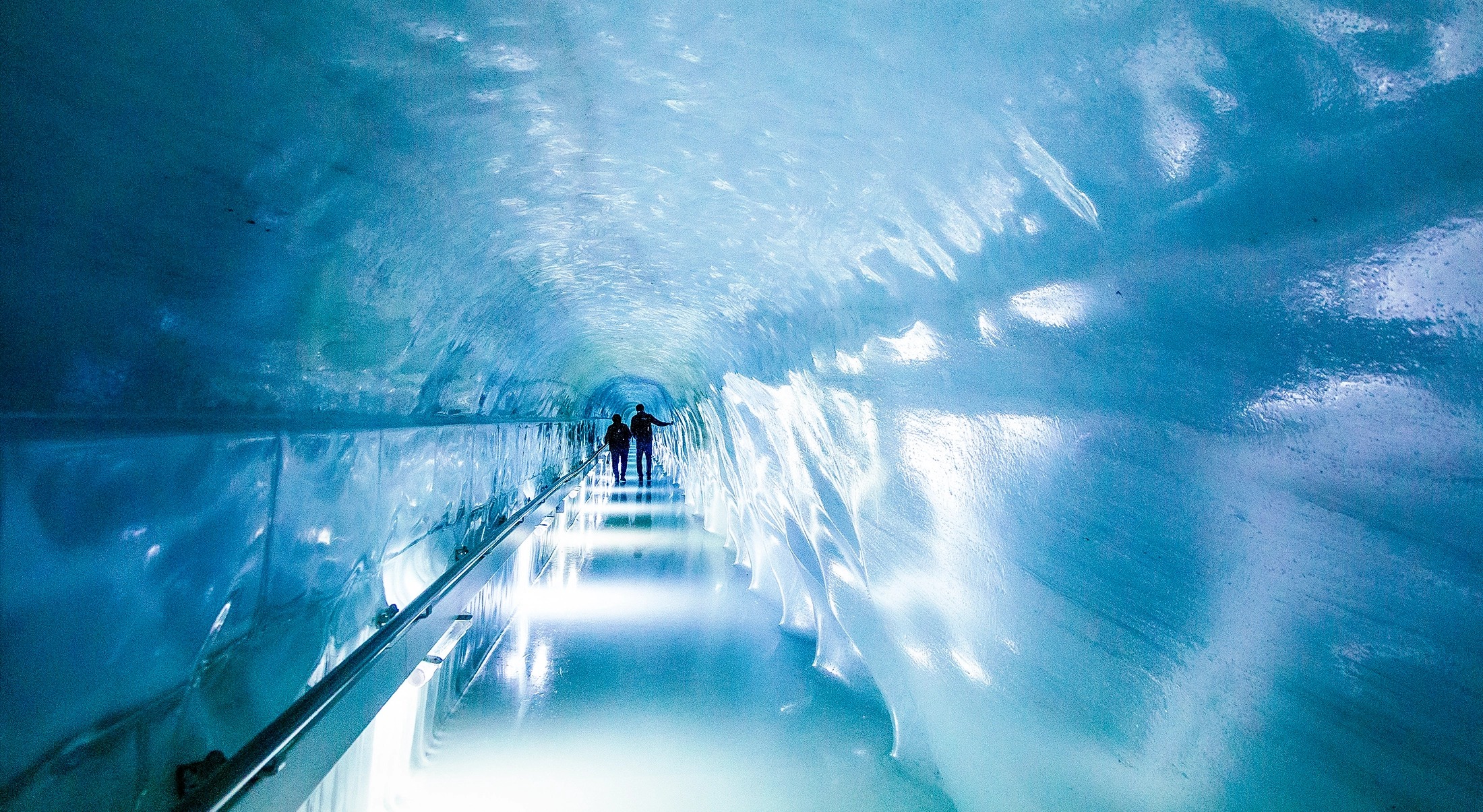 The reason we can gracefully glide on an ice-skating rink or clumsily slip on an icy sidewalk is that the surface of ice is coated by a thin watery layer. Scientists generally agree that this lubricating, liquidlike layer is what makes ice slippery. They disagree, though, about why the layer forms.
Three main theories about the phenomenon have been debated over the past two centuries. Earlier this year, researchers in Germany put forward a fourth hypothesis(opens a new tab) that they say solves the puzzle.
But does it? A consensus feels nearer but has yet to be reached. For now, the slippery problem remains open.
More here.
Enjoying the content on 3QD? Help keep us going by donating now.