
Bulbul Ahmed in The Conversation:
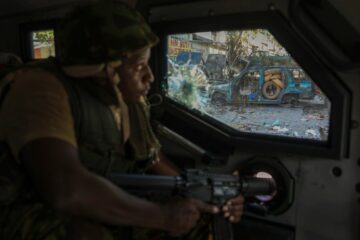 For decades, the United Nations has intervened in Haiti in a bid to address persistent political, economic and security crises. To date, all attempts have failed.
Now, the international body is trying something new. On Sept. 30, 2025, the United Nations Security Council approved an expanded international military force for Haiti in hopes of turning the tide against organized criminal gangs that have taken hold of swaths of the Caribbean nation.
Resolution 2793 authorized the doubling of U.N.-backed military and police forces to more than 5,000 and transforming the Kenya-led Multinational Security Support mission in place since 2023 into a new Gang Suppression Force.
Operational command of the mission will now be held by a coalition of nations including Kenya, Canada, Jamaica, the Bahamas, El Salvador, Guatemala and the United States. Meanwhile, the U.N. will provide logistical, administrative and political assistance through the newly established U.N. Support Office in Haiti.
Yet the true significance of Resolution 2793 lies not in its military content or its specific application in Haiti, but rather in its institutional design.
More here.
Enjoying the content on 3QD? Help keep us going by donating now.