
Peter Attia in peterattiamd.com:
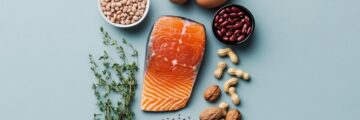 When it comes to fat loss, most of us need all the help we can get. With the modern American lifestyle being largely sedentary and characterized by easy access to highly palatable, energy-dense foods, it can be very difficult to maintain the calorie deficit necessary to lose fat and keep it off. Whether or not a calorie deficit is achieved is determined by the difference between total energy in and total energy out. Assessing the “energy in” side of the equation is straightforward—add up the energy content of all food consumed. However, the “energy out” side is more complicated and much more difficult to accurately measure, as it varies by body composition, activity level, age, sex, and various other factors.
One component of total daily energy expenditure (TDEE) is the energy required to digest and metabolize food, termed the “thermic effect of food,” or “diet-induced thermogenesis” (DIT). DIT can account for ~10% of total energy expenditure, but some foods require greater energy input to digest and metabolize than others. Among macronutrients, protein is by far the least efficient source of energy—roughly 25% of the available energy in protein is expended just metabolizing it, which is more than double the amount of available energy required by carbohydrate, fat, or alcohol metabolism.1,2 This raises the question: can we leverage higher protein intakes to increase total energy expenditure enough to make a meaningful difference for fat loss?
More here.
Enjoying the content on 3QD? Help keep us going by donating now.