
Yasemin Saplakoglu in Quanta Magazine:
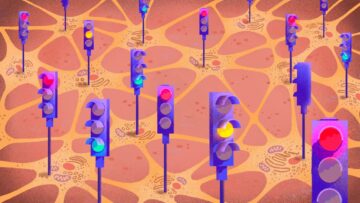 From Santiago Ramón y Cajal’s hand came branches and whorls, spines and webs. Now-famous drawings by the neuroanatomist in the late 19th and early 20th centuries showed, for the first time, the distinctiveness and diversity of the fundamental building blocks of the mammalian brain that we call neurons.
In the century or so since, his successors have painstakingly worked to count, track, identify, label and categorize these cells. There is now a dizzying number of ways to put neurons in buckets, often presented in colorful, complex brain cell atlases. With such catalogs, you might organize neurons based on function by separating motor neurons that help you move from sensory neurons that help you see or number neurons that help you estimate quantities. You might distinguish them based on whether they have long axons or short ones, or whether they’re located in the hippocampus or the olfactory bulb. But the vast majority of neurons, regardless of function, form or location, fall into one of two fundamental categories: excitatory neurons that trigger other neurons to fire and inhibitory neurons that stop others from firing.
More here.
Enjoying the content on 3QD? Help keep us going by donating now.