
From iai:
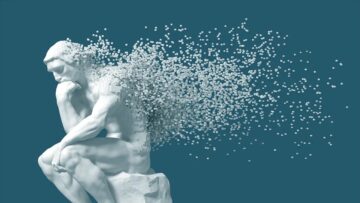 In this wide-ranging interview, Paul Bloom explores how our best qualities, reason, morality, and compassion, can be paradoxically undercut by the very forces meant to protect them. Looking at his work on Perversity, he reveals the tightrope between chaos and autonomy, making human goodness not just aspirational but fragile, easily distorted, often misunderstood, and vulnerable to both logic and emotion when taken to extremes.
You’ve said that perversity can be both a good and an optimal strategy. Can you explain what you mean by that?
For the sake of being bad or silly or unreasonable. The classic story is of St. Augustine who goes into an orchard with some friends and steals some pears. He wasn’t hungry, he just said it was to do wrong. And a lot of perversity is just awful. It makes the world worse, it makes the whole person suffer. You don’t want to have a reputation as somebody who does these erratic, stupid things.
So why might someone choose to behave perversely, even when it seems irrational?
Sometimes it could have an advantage. And sometimes a perverse act could impress other people with how bold you are and how courageous. Sometimes a perverse act can… if you’re in a rut, doing something unpredictable and a little bit crazy might be the way to get out of it. And I think most of all, perversity at its best is a way of expressing our autonomy, our freedom.
More here.
Enjoying the content on 3QD? Help keep us going by donating now.